| Vendor | |
|---|---|

|
Fritz Agency
Christian Dittus |
| Original language | |
| English | |
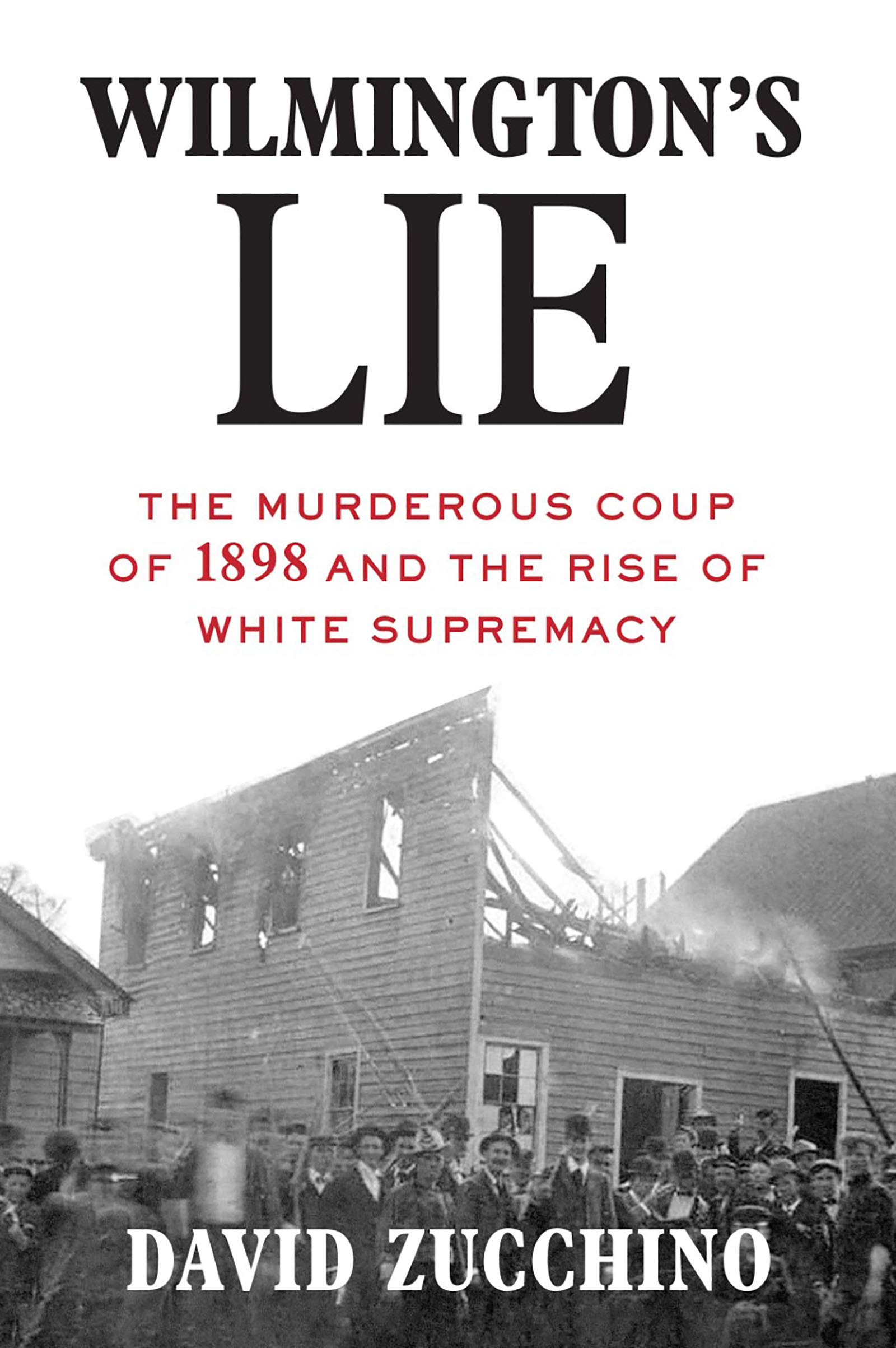
WILMINGTON'S LIE
The Murderous Coup of 1898 and the Rise of White Supremacy
This is a dramatic and definitive account of a remarkable but forgotten chapter of American history.?
By 1898 Wilmington, North Carolina, was a shining example of a mixed-race communitya bustling port?city with a thriving African-American middle class and a government made up of Republicans and Populists, including black alderman, police officers, and magistrates. But across the stateand the Southwhite supremacist Democrats were working to reverse the advances made by former slaves and their progeny. They were plotting to take back the state legislature in the November 8th elections and then use a controversial editorial published by black newspaper editor Alexander Manly to trigger a race riot to overthrow the elected government in Wilmington. With a coordinated campaign of intimidation and violence, the Democrats sharply curtailed the black vote and stuffed ballot boxes to steal the 1898 mid-term election. Two days later, more than 2,000 heavily armed white nightriders known as Red Shirts swarmed through Wilmington, terrorizing women and children and shooting at least 60 black men dead in the streets. The rebels forced city officials and leading black citizens to flee at gunpoint while hundreds of local African Americans took refuge in nearby swamps and forests.?
This brutal insurrection halted gains made by black Americans and restored racism as official government policy, cementing white rule for another 70 years. It was not a race riot, the lie of history, but a racially-motivated rebellion launched by white supremacists.
In?Wilmington's Lie, David Zucchino?uses contemporary newspaper reports, diaries, letters and official communications to create a gripping narrative that weaves together individual stories of hate, fear, and brutality.
David?Zucchino?is a contributing writer for?The New York Times. He was?awarded a Pulitzer Prize?in 1989 for his reporting from South Africa. He's a four-time Pulitzer Prize finalist for coverage of?Lebanon, Africa, inner-city?Philadelphia?and?Iraq. He has reported from more than three dozen countries, most recently from Iraq. Mr.?Zucchino?worked as a foreign and national correspondent for the?Los Angeles Times?from 2001 to 2016, focusing on Afghanistan, Iraq and Libya. Before that, he worked for 20 years at?The Philadelphia Inquirer, as the bureau chief in Beirut, Lebanon; Nairobi, Kenya; and Johannesburg.
By 1898 Wilmington, North Carolina, was a shining example of a mixed-race communitya bustling port?city with a thriving African-American middle class and a government made up of Republicans and Populists, including black alderman, police officers, and magistrates. But across the stateand the Southwhite supremacist Democrats were working to reverse the advances made by former slaves and their progeny. They were plotting to take back the state legislature in the November 8th elections and then use a controversial editorial published by black newspaper editor Alexander Manly to trigger a race riot to overthrow the elected government in Wilmington. With a coordinated campaign of intimidation and violence, the Democrats sharply curtailed the black vote and stuffed ballot boxes to steal the 1898 mid-term election. Two days later, more than 2,000 heavily armed white nightriders known as Red Shirts swarmed through Wilmington, terrorizing women and children and shooting at least 60 black men dead in the streets. The rebels forced city officials and leading black citizens to flee at gunpoint while hundreds of local African Americans took refuge in nearby swamps and forests.?
This brutal insurrection halted gains made by black Americans and restored racism as official government policy, cementing white rule for another 70 years. It was not a race riot, the lie of history, but a racially-motivated rebellion launched by white supremacists.
In?Wilmington's Lie, David Zucchino?uses contemporary newspaper reports, diaries, letters and official communications to create a gripping narrative that weaves together individual stories of hate, fear, and brutality.
David?Zucchino?is a contributing writer for?The New York Times. He was?awarded a Pulitzer Prize?in 1989 for his reporting from South Africa. He's a four-time Pulitzer Prize finalist for coverage of?Lebanon, Africa, inner-city?Philadelphia?and?Iraq. He has reported from more than three dozen countries, most recently from Iraq. Mr.?Zucchino?worked as a foreign and national correspondent for the?Los Angeles Times?from 2001 to 2016, focusing on Afghanistan, Iraq and Libya. Before that, he worked for 20 years at?The Philadelphia Inquirer, as the bureau chief in Beirut, Lebanon; Nairobi, Kenya; and Johannesburg.
| Available products |
|---|
|
Book
Published 2020-01-01 by Atlantic Monthly Press |