| Vendor | |
|---|---|

|
Liepman Literary Agency
Marc Koralnik |
| Original language | |
| English | |
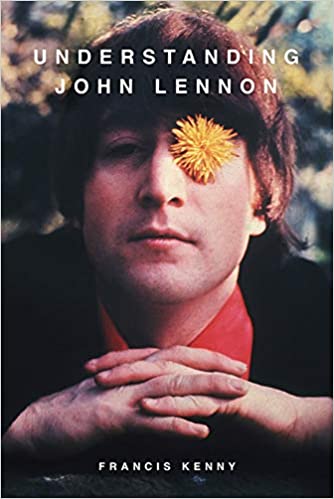
UNDERSTANDING JOHN LENNON
Last year marked the anniversary not only of what would have been John Lennon's 80th birthday but also the 40th anniversary of his death in New York.
Understanding John Lennon (UK - Shepheard-Walwyn, 2020) takes us back to where it all began. While other writers have only touched on the cause' of John's genius, Francis Kenny reveals its roots in the post-war nature of Liverpool, John's family with its complex history, and the pain and hurt John felt during his childhood, revealing how his early life experiences shaped his brilliance as a songwriter and musician.
Of all the books on The Beatles, this is the only one by an author who was himself born and raised under the same influences as the band's, in the heart of Liverpool, and who still lives there. From the maritime nature of the city to its blue-collar background and the Irish heritage of its people, this book provides an insight into post-war Liverpool and John's family life, which gave rise to his brilliant but conflicted nature and traces how this ultimately contributed to the fall of The Beatles.
Covering Lennon's life from Liverpool to New York, Kenny writes with sympathetic understanding of the confusion, pain and corrosiveness that can, at times, accompany the demands and expectations of the creative process at its highest level. With new material revealing the real source of inspiration of Strawberry Fields', we are provided with a thought-provoking insight into a complex mind and a genius in the making.
Whilst most books regurgitate the same stories about Lennon's childhood and his time with The Beatles, this book presents an original insight into the founder of a band that was at the forefront of a social and cultural revolution. It is the only work to reveal the true sources of John's genius which continues to leave an enduring imprint on our everyday life and imagination.
Author Details
Francis Kenny, after spending 20 years in the construction industry in the UK and abroad, was awarded a degree by Liverpool University and went on to obtain MAs in Social Policy, Urban Regeneration and Screenwriting while teaching in special education and the social sciences. With extensive research into The Beatles spanning a lifetime, he published his first novel, Waiting for The Beatles in 2006, including an associated screenplay and television work, followed by The Making of John Lennon in 2014. In Understanding John Lennon, he takes a deeper look into the formative influences in John Lennon's life.
Reviews
Understanding John Lennon has been recommended by Katherine Wootton, Yours magazine in their article called The making of a dreamer, 6th October 2020.
Talk Radio Europe interviewed the author, Francis Kenny on the 9th of October 2020. To listen, please go to: https://youtu.be/iJCENOE5PTk .
Topping their list of book suggestions for Christmas, national monthly magazine Choice recommends Francis Kenny's Understanding John Lennon : marking the 80th Anniversary of the ex-Beatles birth, Understanding John Lennon tears away the many layers of myth that have accumulated around Lennon by focusing on his early years in Liverpool and the people and places that formed him.
http://usa.chinadaily.com.cn/epaper/2014-12/03/content_19018547.htm
https://www.heydullblog.com/books/making-john-lennon/
https://www.huffpost.com/entry/imagine-12-great-books-ab_b_8665582
These points are unique to Understanding John Lennon
Julia, John's mother, had her mental health issues used against her by her sister, John's aunt Mimi in which Mimi gained custody of John.
Mimi developed a Machiavellian strategy to gain control of John after her role as squatter in her new (suburban) house, Mendips, which turned sour and she was rejected by her neighbours as an inner-city upstart.
John's extremely poor self-esteem and periods of depression had their roots in Mendips.
Although John loved blue-collar rock 'n roll, despite the extreme distaste by Mimi towards a blue-collar culture, he loved the chaos' and flexibility of certain aspects of working-class culture but was constrained by the restrictive and extreme conservatism of his aunt.
John hankered to be a real (middle-class) artist' like Stuart Sutcliffe and was infused (although in a second had way) with the values of The Beats (Burroughs, Ginsburg and Kerouac) and the notion of romantic self-destruction (c.f. Antonin Artaud).
Strawberry Field was not about an orphanage for girls but about a (juvenile hall) remand house (Gladstone House) for boys. John could see this remand home from his bedroom window and he had to pass its front door every day. He identified with these boys more so than the girls in Strawberry Fields but had to do so obtusely, for fear of his deluded ideal' childhood with Mimi being shattered. John spent two months working on the song before he gave it a title for fear of the real meaning being shown.
John went to Barcelona with Brian not to shown Brian who was the real boss of the group, as many believe, but to show Paul who was boss to the group.
At a time when being working-class was sexy' John was petrified that when A Hard Day's Night was released his plastic Scouse accent would be there for all to see, hence his rubbishing beforehand of the film and its screenwriter Alun Owen.
An important aspect to Ringo replacing Pete being Pete being middle-class and Ringo was working-class, John wanted to hide his middle-class background but with four grammar school boys Paul, George, Pete and John it was convenient'
The death knell for The Beatles was Revolver when the diligence of Paul as studio musician and producer overwhelmed the waiting for the muse to call' John.
The relationship with Yoko Ono began a good six months before the official Beatle's history suggests.
John's fear of world- wide humiliation with the obvious role change of Paul as the leader of The Beatles lay behind his relationship with Yoko that is to use Yoko to break up the band.
The lyrics of Working-Class Hero were an ambiguous split between a plea for understanding of himself and an attack on Paul and George.
Elevator Pitch!
A Genius made and broken by his childhood
John Lennon musical Icon and leader of the greatest band the world has ever known. What was the secret that made this Rock n Rock Juggernaut come off its rails?
Understanding John Lennon, challenges previous assumptions of John and The Beatles and presents an alternative view, which looks at, betrayal, despair and redemption. In many ways the main thrust of the book centres on the confusion, pain and corrosiveness that can, at times, accompany the demands and expectations of the creative process at its highest level. The work presents a radical insight to a band that was at the forefront of a social and Cultural Revolution. Choice Magazine, November 2020 issue.
Of all the books on The Beatles, this is the only one by an author who was himself born and raised under the same influences as the band's, in the heart of Liverpool, and who still lives there. From the maritime nature of the city to its blue-collar background and the Irish heritage of its people, this book provides an insight into post-war Liverpool and John's family life, which gave rise to his brilliant but conflicted nature and traces how this ultimately contributed to the fall of The Beatles.
Covering Lennon's life from Liverpool to New York, Kenny writes with sympathetic understanding of the confusion, pain and corrosiveness that can, at times, accompany the demands and expectations of the creative process at its highest level. With new material revealing the real source of inspiration of Strawberry Fields', we are provided with a thought-provoking insight into a complex mind and a genius in the making.
Whilst most books regurgitate the same stories about Lennon's childhood and his time with The Beatles, this book presents an original insight into the founder of a band that was at the forefront of a social and cultural revolution. It is the only work to reveal the true sources of John's genius which continues to leave an enduring imprint on our everyday life and imagination.
Author Details
Francis Kenny, after spending 20 years in the construction industry in the UK and abroad, was awarded a degree by Liverpool University and went on to obtain MAs in Social Policy, Urban Regeneration and Screenwriting while teaching in special education and the social sciences. With extensive research into The Beatles spanning a lifetime, he published his first novel, Waiting for The Beatles in 2006, including an associated screenplay and television work, followed by The Making of John Lennon in 2014. In Understanding John Lennon, he takes a deeper look into the formative influences in John Lennon's life.
Reviews
Understanding John Lennon has been recommended by Katherine Wootton, Yours magazine in their article called The making of a dreamer, 6th October 2020.
Talk Radio Europe interviewed the author, Francis Kenny on the 9th of October 2020. To listen, please go to: https://youtu.be/iJCENOE5PTk .
Topping their list of book suggestions for Christmas, national monthly magazine Choice recommends Francis Kenny's Understanding John Lennon : marking the 80th Anniversary of the ex-Beatles birth, Understanding John Lennon tears away the many layers of myth that have accumulated around Lennon by focusing on his early years in Liverpool and the people and places that formed him.
http://usa.chinadaily.com.cn/epaper/2014-12/03/content_19018547.htm
https://www.heydullblog.com/books/making-john-lennon/
https://www.huffpost.com/entry/imagine-12-great-books-ab_b_8665582
These points are unique to Understanding John Lennon
Julia, John's mother, had her mental health issues used against her by her sister, John's aunt Mimi in which Mimi gained custody of John.
Mimi developed a Machiavellian strategy to gain control of John after her role as squatter in her new (suburban) house, Mendips, which turned sour and she was rejected by her neighbours as an inner-city upstart.
John's extremely poor self-esteem and periods of depression had their roots in Mendips.
Although John loved blue-collar rock 'n roll, despite the extreme distaste by Mimi towards a blue-collar culture, he loved the chaos' and flexibility of certain aspects of working-class culture but was constrained by the restrictive and extreme conservatism of his aunt.
John hankered to be a real (middle-class) artist' like Stuart Sutcliffe and was infused (although in a second had way) with the values of The Beats (Burroughs, Ginsburg and Kerouac) and the notion of romantic self-destruction (c.f. Antonin Artaud).
Strawberry Field was not about an orphanage for girls but about a (juvenile hall) remand house (Gladstone House) for boys. John could see this remand home from his bedroom window and he had to pass its front door every day. He identified with these boys more so than the girls in Strawberry Fields but had to do so obtusely, for fear of his deluded ideal' childhood with Mimi being shattered. John spent two months working on the song before he gave it a title for fear of the real meaning being shown.
John went to Barcelona with Brian not to shown Brian who was the real boss of the group, as many believe, but to show Paul who was boss to the group.
At a time when being working-class was sexy' John was petrified that when A Hard Day's Night was released his plastic Scouse accent would be there for all to see, hence his rubbishing beforehand of the film and its screenwriter Alun Owen.
An important aspect to Ringo replacing Pete being Pete being middle-class and Ringo was working-class, John wanted to hide his middle-class background but with four grammar school boys Paul, George, Pete and John it was convenient'
The death knell for The Beatles was Revolver when the diligence of Paul as studio musician and producer overwhelmed the waiting for the muse to call' John.
The relationship with Yoko Ono began a good six months before the official Beatle's history suggests.
John's fear of world- wide humiliation with the obvious role change of Paul as the leader of The Beatles lay behind his relationship with Yoko that is to use Yoko to break up the band.
The lyrics of Working-Class Hero were an ambiguous split between a plea for understanding of himself and an attack on Paul and George.
Elevator Pitch!
A Genius made and broken by his childhood
John Lennon musical Icon and leader of the greatest band the world has ever known. What was the secret that made this Rock n Rock Juggernaut come off its rails?
Understanding John Lennon, challenges previous assumptions of John and The Beatles and presents an alternative view, which looks at, betrayal, despair and redemption. In many ways the main thrust of the book centres on the confusion, pain and corrosiveness that can, at times, accompany the demands and expectations of the creative process at its highest level. The work presents a radical insight to a band that was at the forefront of a social and Cultural Revolution. Choice Magazine, November 2020 issue.
| Available products |
|---|
|
Book
Published 2023-05-11 by Shepheard-Walwyn |