| Vendor | |
|---|---|

|
Mohrbooks Literary Agency
Sebastian Ritscher |
| Original language | |
| English | |
| Categories | |
| Weblink | |
| thomasharder.dk/en | |
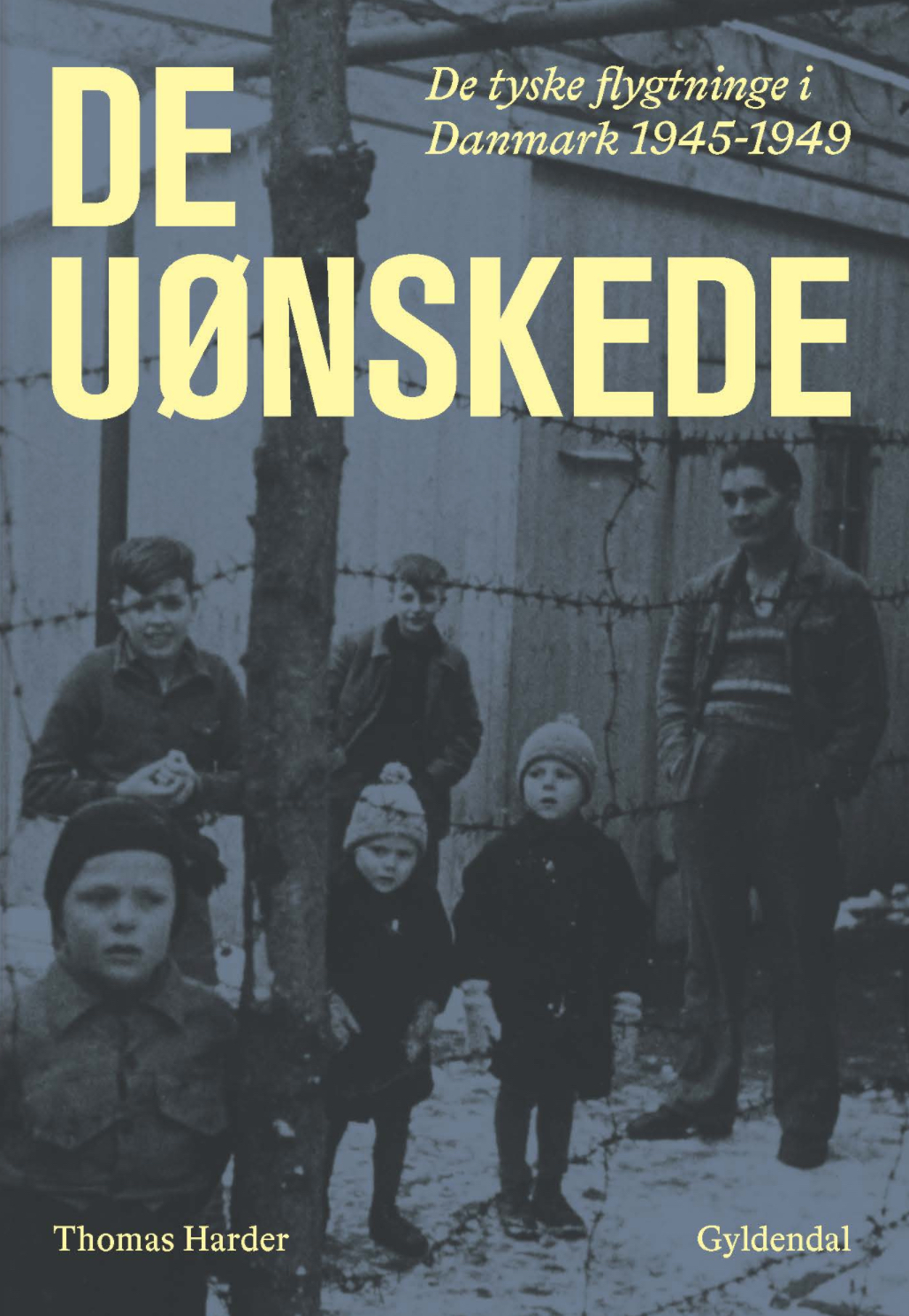
THE UNWANTED (DE UONSKEDE)
The history of the 250 thousand German refugees who escaped to Denmark in the last three months of World Ward II and were repatriated between 1946 and 1949.
The Soviet offensive in October 1944 triggered the mass escape from the "Eastern Territories" that lead to a difficult, but ultimately successful, integration of the refugees into German post-war society.
THE UNWANTED provides a deep understanding of the complex political, military, cultural and social aspects of this dramatic story and is written for a general readership with an interest in 20th century history.
The book follows is structured into 4 parts:
Part 1 describes the collapse of Germany and the mass escape from the East the Trecks through the snow, the evacuation across the Baltic, the Wilhelm Gustloff and other disasters at sea etc. as well as the situation in Denmark from February 1945, when the first refugees arrived, to the German capitulation on 5 May 1945. Important themes in this part of the book are the Nazi leadership's failure to organise a timely evacuation of the territories threatened by the Red Army and the fierce competition for scarce shipping resources: Hitler and Dönitz constantly gave priority to the evacuation of military personnel and equipment for use in the "final battle", leaving hundreds of thousands of refugees behind. In Denmark, the Germans tried more and more desperately to get the Danish authorities to help them take care of the refugees, while the Danes tried to do as little as possible and to obtain benefits for Danish concentration camp prisoners in exchange for any assistance.
Part 2 tells how on 5. May 1945 the Danish authorities were forced to take on responsibility for the refugees, and how this work was organised and carried out in practice in a country where anti-German feelings were strong and widespread after five years of occupation. Life in a representative selection of refugee camps is described, as are the violent political and cultural debates on how the refugees should be treated, which flared up in the media from time to time.
The history of the German refugees in Denmark is part of the history of Nazism and of World War II, but also of the history of the early Cold War and of the Allied occupation of Germany and the efforts to get Germany back on its feet. The refugees in Denmark were only a small part of the approximately 12.5 million refugees and Displaced Persons in Germany which the Allied occupation authorities had to feed and house and provide with work and healthcare.
Part 3 recounts the Danish efforts to convince the Allied powers to accept the refugees into their Zones of Occupation. The Danish negotiators were not without leverage: Food, Danish troops for the occupation of Germany, and American access to airbases on Greenland were among their bargaining chips. In addition to traditional diplomacy, the Danes tried to influence Allied decision-makers through personal contacts and various forms of "public diplomacy" and other PR work including press and VIP visits to refugee camps and resolutions adopted by international church and women's organisations. British and US politicians and diplomats focused on what the Danes had to offer in exchange for a solution to the refugee problem, whereas the Allied military authorities in Germany were very unwilling to accept more refugees into their already overburdened Zones of Occupation.
Part 4 describes the arduous integration of the repatriated refugees and expellees in post-war Germany, the negotiations and agreements between Denmark and the Federal Republic which formally ended the story of the refugees, and the role of the refugees and expellees in German post-war culture and politics.
Thomas Harder is a Danish author, conference interpreter, literary translator and lecturer.
THE UNWANTED provides a deep understanding of the complex political, military, cultural and social aspects of this dramatic story and is written for a general readership with an interest in 20th century history.
The book follows is structured into 4 parts:
Part 1 describes the collapse of Germany and the mass escape from the East the Trecks through the snow, the evacuation across the Baltic, the Wilhelm Gustloff and other disasters at sea etc. as well as the situation in Denmark from February 1945, when the first refugees arrived, to the German capitulation on 5 May 1945. Important themes in this part of the book are the Nazi leadership's failure to organise a timely evacuation of the territories threatened by the Red Army and the fierce competition for scarce shipping resources: Hitler and Dönitz constantly gave priority to the evacuation of military personnel and equipment for use in the "final battle", leaving hundreds of thousands of refugees behind. In Denmark, the Germans tried more and more desperately to get the Danish authorities to help them take care of the refugees, while the Danes tried to do as little as possible and to obtain benefits for Danish concentration camp prisoners in exchange for any assistance.
Part 2 tells how on 5. May 1945 the Danish authorities were forced to take on responsibility for the refugees, and how this work was organised and carried out in practice in a country where anti-German feelings were strong and widespread after five years of occupation. Life in a representative selection of refugee camps is described, as are the violent political and cultural debates on how the refugees should be treated, which flared up in the media from time to time.
The history of the German refugees in Denmark is part of the history of Nazism and of World War II, but also of the history of the early Cold War and of the Allied occupation of Germany and the efforts to get Germany back on its feet. The refugees in Denmark were only a small part of the approximately 12.5 million refugees and Displaced Persons in Germany which the Allied occupation authorities had to feed and house and provide with work and healthcare.
Part 3 recounts the Danish efforts to convince the Allied powers to accept the refugees into their Zones of Occupation. The Danish negotiators were not without leverage: Food, Danish troops for the occupation of Germany, and American access to airbases on Greenland were among their bargaining chips. In addition to traditional diplomacy, the Danes tried to influence Allied decision-makers through personal contacts and various forms of "public diplomacy" and other PR work including press and VIP visits to refugee camps and resolutions adopted by international church and women's organisations. British and US politicians and diplomats focused on what the Danes had to offer in exchange for a solution to the refugee problem, whereas the Allied military authorities in Germany were very unwilling to accept more refugees into their already overburdened Zones of Occupation.
Part 4 describes the arduous integration of the repatriated refugees and expellees in post-war Germany, the negotiations and agreements between Denmark and the Federal Republic which formally ended the story of the refugees, and the role of the refugees and expellees in German post-war culture and politics.
Thomas Harder is a Danish author, conference interpreter, literary translator and lecturer.
| Available products |
|---|
|
Book
Published 2023-05-29 by Gyldendal |