| Vendor | |
|---|---|

|
Mohrbooks Literary Agency
Sebastian Ritscher |
| Original language | |
| English | |
| Categories | |
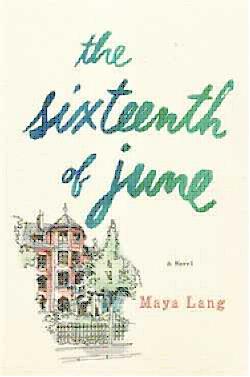
THE SIXTEENTH OF JUNE
This clever, moving debut novel is set in Philadelphia over the course of a single day and paints a moving portrait of a family at a turning point; The Sixteenth of June nods to James Joyce’s celebrated classic Ulysses, but appeals even to those who haven’t read it.
Leopold Portman, a young IT manager a few years out of college, is engaged to Nora Reed. He hopes to move to the city’s outskirts, start a family, and live a happy, suburban life.
Nora, an extraordinarily talented singer still mourning the death of her mother, has abandoned her opera career and wonders what her destiny holds. Her best friend Stephen, Leopold’s brother, is in his seventh year of graduate school. He questions whether academic work has any real value in the world and harbors doubts about his best friend’s engagement to his brother.
On June 16, 2004, Leo, Nora, and Stephen are brought together—first for a funeral, then for an annual Bloomsday party. As the long-simmering tensions between them come to a head, they are forced to confront the choices of their pasts and their hopes for the future. Clever, lyrical, and at times hilarious, Maya Lang’s expertly crafted debut showcases skillful storytelling and an insightful depiction of modern American family life.
The Sixteenth of June is a remarkable novel about the secrets we keep from one another and ourselves, what it means to belong, and the lengths we’ll go to for acceptance and love.
Maya Lang is the first-generation daughter of Indian immigrants and was born in Queens, New York. She was awarded the 2012 Bread Loaf-Rona Jaffe Foundation Scholarship in Fiction and was a Finalist for Glimmer Train’s Short Story Award for New Writers. She holds a PhD in Comparative Literature from the State University of New York at Stony Brook and lives in Seattle with her family. The Sixteenth of June is her first book.
The idea for this novel came from author’s personal experience and lends a nice “take away” to the book: While in graduate school, Maya Lang could not understand why academics made such a fuss over Joyce’s Ulysses, a text that had always felt impenetrable to her. She realized that the way Ulysses had been used by her graduate school peers to make her feel excluded was similar to the way wealthy, white families had made her feel excluded growing up. This idea of acceptance and who determines what and who is “in” or “out” stuck with Maya and became the reason the family saga at the center of this novel was inspired by Ulysees. In writing her book, Maya has come to see the classic in a new light—now she’s identified parts of Ulysses that appeal to her, sections that have made her feel moved. This is reflected in The Sixteenth of June in the idea that everyone—regardless of power, wealth, or social status—seeks places where they can be their true selves. Maya will write about this in an essay the publisher can place at the time of publication.
Nora, an extraordinarily talented singer still mourning the death of her mother, has abandoned her opera career and wonders what her destiny holds. Her best friend Stephen, Leopold’s brother, is in his seventh year of graduate school. He questions whether academic work has any real value in the world and harbors doubts about his best friend’s engagement to his brother.
On June 16, 2004, Leo, Nora, and Stephen are brought together—first for a funeral, then for an annual Bloomsday party. As the long-simmering tensions between them come to a head, they are forced to confront the choices of their pasts and their hopes for the future. Clever, lyrical, and at times hilarious, Maya Lang’s expertly crafted debut showcases skillful storytelling and an insightful depiction of modern American family life.
The Sixteenth of June is a remarkable novel about the secrets we keep from one another and ourselves, what it means to belong, and the lengths we’ll go to for acceptance and love.
Maya Lang is the first-generation daughter of Indian immigrants and was born in Queens, New York. She was awarded the 2012 Bread Loaf-Rona Jaffe Foundation Scholarship in Fiction and was a Finalist for Glimmer Train’s Short Story Award for New Writers. She holds a PhD in Comparative Literature from the State University of New York at Stony Brook and lives in Seattle with her family. The Sixteenth of June is her first book.
The idea for this novel came from author’s personal experience and lends a nice “take away” to the book: While in graduate school, Maya Lang could not understand why academics made such a fuss over Joyce’s Ulysses, a text that had always felt impenetrable to her. She realized that the way Ulysses had been used by her graduate school peers to make her feel excluded was similar to the way wealthy, white families had made her feel excluded growing up. This idea of acceptance and who determines what and who is “in” or “out” stuck with Maya and became the reason the family saga at the center of this novel was inspired by Ulysees. In writing her book, Maya has come to see the classic in a new light—now she’s identified parts of Ulysses that appeal to her, sections that have made her feel moved. This is reflected in The Sixteenth of June in the idea that everyone—regardless of power, wealth, or social status—seeks places where they can be their true selves. Maya will write about this in an essay the publisher can place at the time of publication.
| Available products |
|---|
|
Book
Published 2014-06-03 by Scribner |
|
Book
Published 2014-06-03 by Scribner |