| Vendor | |
|---|---|

|
Liepman Literary Agency
Marc Koralnik |
| Original language | |
| English | |
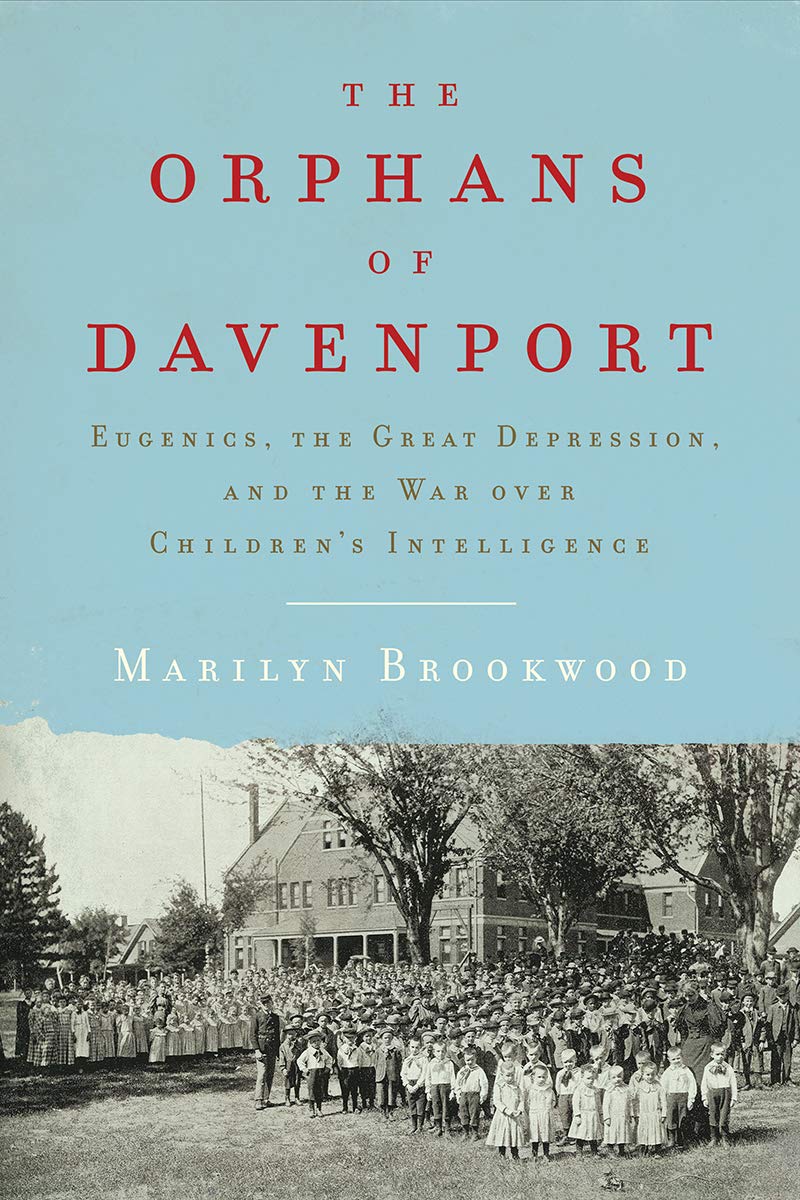
THE ORPHANS OF DAVENPORT
The Untold Story of Great Depression Psychologists in Iowa Who Accidentally Discovered What Makes Children Smart
The infants lay for months in cribs that blocked their vision, and were never held, hardly touched, rarely spoken to. Doomed from birth was the way young Iowa state psychologist Harold Skeels described the two toddler girls at the Orphans Home in Davenport, Iowa, in 1934. Their IQ scores, added together, totaled 81. They were part of a wave of abandoned children dropped off at the orphanage during the Great Depression, whose parents came from the lowest rungs of society. In line with prevailing eugenic beliefs, Skeels assumed the two girls inherited defective intelligence and therefore were unfit for adoption. Because of extreme overcrowding, they were sent to live in a home for moron women. To his great astonishment, under the women's care the children's intelligence became normal. No one understood how that could happen.
The Orphans of Davenport describes for the first time how an unknown psychologist from a modest research group in Iowa made the crucial discovery that environment changes children's intelligence. Only in 1966 did the Iowans' ideas find support from a new generation of psychologists. Their revolutionary work overthrew long accepted racist and classist views of human development, and launched psychology's modern age.
About the Author
Marilyn Brookwood is a psychologist who worked in public education to help adolescents improve academic and personal competence, lectured about adolescent brain development to students, parents and clinicians, held an adjunct faculty position at the College of New Rochelle in New York, and wrote guides for teachers and counselors about adolescent challenges. In 2008 she earned her third postgraduate degree, in Harvard University's Mind, Brain and Education Program. She has been researching this project for six years. She lives in Cambridge.
The Orphans of Davenport describes for the first time how an unknown psychologist from a modest research group in Iowa made the crucial discovery that environment changes children's intelligence. Only in 1966 did the Iowans' ideas find support from a new generation of psychologists. Their revolutionary work overthrew long accepted racist and classist views of human development, and launched psychology's modern age.
About the Author
Marilyn Brookwood is a psychologist who worked in public education to help adolescents improve academic and personal competence, lectured about adolescent brain development to students, parents and clinicians, held an adjunct faculty position at the College of New Rochelle in New York, and wrote guides for teachers and counselors about adolescent challenges. In 2008 she earned her third postgraduate degree, in Harvard University's Mind, Brain and Education Program. She has been researching this project for six years. She lives in Cambridge.
| Available products |
|---|
|
Book
Published 2023-05-11 by Liveright / W.W. Norton |