| Vendor | |
|---|---|

|
Fritz Agency
Christian Dittus |
| Original language | |
| English | |
| Weblink | |
| http://www.bobkeyes.com | |
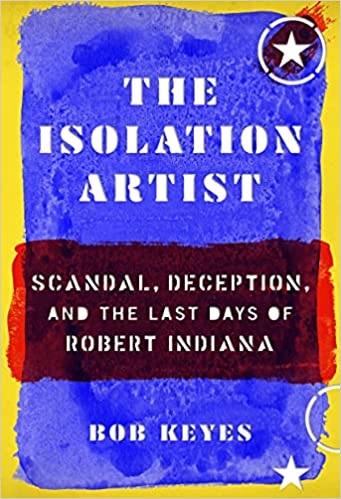
THE ISOLATION ARTIST
Scandal, Deception, and the Last Days of Robert Indiana
When reclusive, millionaire artist Robert Indiana died in 2018, he left behind dark rumors and scandal, as well as an estate embroiled in lawsuits and facing accusations of fraud. Here is the true story of the artist's final days, the aftermath, the deceptive world that surrounded him, and the inner workings of art as very big business.
"I'm an artist, not a business man," Robert Indiana said, refusing to copyright his iconic LOVE sculpture in 1965. An odd and tortured soul, an artist who wanted both fame and solitude, Indiana surrounded himself with people to manage his life and work. Yet, he frequently changed his mind and often fired or belittled those who worked with him. By 2008, when Indiana created his HOPE sculpture "or did he?", the artist had signed away his work for others to exploit, eventually casting doubt about whether he had even seen some artwork attributed to him and sold for very high prices.
At the time of his death, Indiana left an estate worth many millions - and unsettling suspicions. There were allegations of fraudulent artwork, of elder abuse, of caregivers who subjected him to horrendous living conditions. There were questions about the inconclusive autopsy and rumors that his final will had been signed under coercion. There were strong suspicions about the freeloaders who'd attached themselves to the famous artist. In the final hours of his life, Robert Indiana was without the grace of a better angel, as the people closest to him covered their tracks and plotted their defenses.
Bob Keyes has been a journalist for four decades. He is an award-winning, nationally recognized arts writer and storyteller with specialties in American visual arts and the contemporary culture of New England. Keyes has written about arts and culture for the Portland Press Herald and Maine Sunday Telegram since 2002.
"I'm an artist, not a business man," Robert Indiana said, refusing to copyright his iconic LOVE sculpture in 1965. An odd and tortured soul, an artist who wanted both fame and solitude, Indiana surrounded himself with people to manage his life and work. Yet, he frequently changed his mind and often fired or belittled those who worked with him. By 2008, when Indiana created his HOPE sculpture "or did he?", the artist had signed away his work for others to exploit, eventually casting doubt about whether he had even seen some artwork attributed to him and sold for very high prices.
At the time of his death, Indiana left an estate worth many millions - and unsettling suspicions. There were allegations of fraudulent artwork, of elder abuse, of caregivers who subjected him to horrendous living conditions. There were questions about the inconclusive autopsy and rumors that his final will had been signed under coercion. There were strong suspicions about the freeloaders who'd attached themselves to the famous artist. In the final hours of his life, Robert Indiana was without the grace of a better angel, as the people closest to him covered their tracks and plotted their defenses.
Bob Keyes has been a journalist for four decades. He is an award-winning, nationally recognized arts writer and storyteller with specialties in American visual arts and the contemporary culture of New England. Keyes has written about arts and culture for the Portland Press Herald and Maine Sunday Telegram since 2002.
| Available products |
|---|
|
Book
Published 2021-09-01 by Godine |