| Vendor | |
|---|---|

|
Liepman Literary Agency
Marc Koralnik |
| Original language | |
| English | |
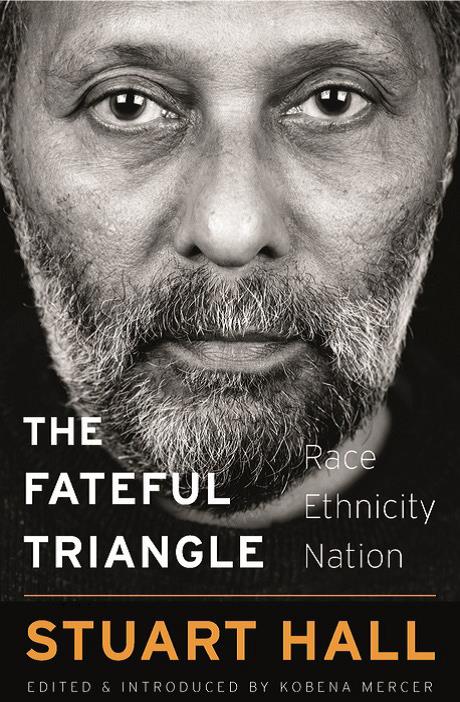
THE FATEFUL TRIANGLE
Race, Ethnicity, Nation
A critique of race as a construct of identity.
Race as a category of biological difference stems from the earliest European encounters with the other in Africa and the New World. Though now discredited as a scientific concept, the idea of race has continued to play into our human instinct for defining ourselves through our most obvious differences. Fateful Triangle pushes back on this stubborn endurance of race, opening up new possibilities for defining our twenty-first century selves.
Even if we objectively know that race is a socialnot scientificconcept, our eyes don't lie either, Stuart Hall observes. As long as people can see and point out differencesin skin color, hair texture, cranial size, and other featuresthey will jump to conclusions about the sources of those differences and what those differences mean. For those in power, they produce authoritative knowledge in what those differences mean, where their subsequent actions upon those differences often have devastating real-world consequences. For oppressed groups, in acts of seeming self-liberation, they embrace racial categories as a way to demonstrate pride. Hall argues that these rigid notions of race, ethnicity, and nationality fail to capture the blurriness of human existence in our globalized world of mixing and migrations, and these categories carry with them histories of oppression that, in fact, reinforce hierarchical notions of cultural difference.
Derived from unpublished lectures delivered in 1994, The Fateful Triangle speaks to the crisis of liberal democracy with prescient insight, critical vigor, and generous wisdom.
Stuart Hall was Emeritus Professor of Sociology at The Open University. Kobena Mercer is Professor in History of Art and African American Studies at Yale University.
Even if we objectively know that race is a socialnot scientificconcept, our eyes don't lie either, Stuart Hall observes. As long as people can see and point out differencesin skin color, hair texture, cranial size, and other featuresthey will jump to conclusions about the sources of those differences and what those differences mean. For those in power, they produce authoritative knowledge in what those differences mean, where their subsequent actions upon those differences often have devastating real-world consequences. For oppressed groups, in acts of seeming self-liberation, they embrace racial categories as a way to demonstrate pride. Hall argues that these rigid notions of race, ethnicity, and nationality fail to capture the blurriness of human existence in our globalized world of mixing and migrations, and these categories carry with them histories of oppression that, in fact, reinforce hierarchical notions of cultural difference.
Derived from unpublished lectures delivered in 1994, The Fateful Triangle speaks to the crisis of liberal democracy with prescient insight, critical vigor, and generous wisdom.
Stuart Hall was Emeritus Professor of Sociology at The Open University. Kobena Mercer is Professor in History of Art and African American Studies at Yale University.
| Available products |
|---|
|
Book
Published 2017-09-01 by Harvard University Press |