| Vendor | |
|---|---|

|
Fritz Agency
Christian Dittus |
| Original language | |
| English | |
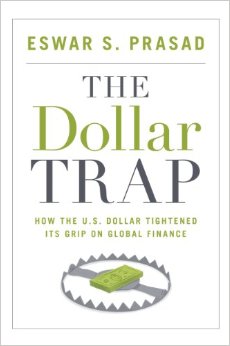
THE DOLLAR TRAP
How the U. S. Dollar Tightened its Grip on Global Finance
THE DOLLAR TRAP offers a panoramic analysis of the fragile state of global finance and makes a compelling case that, despite all its flaws, the dollar will remain the ultimate safe-haven currency.
The U.S. dollar's dominance seems under threat. The near collapse of the U.S. financial system in 2008-2009, political paralysis that has blocked effective policymaking, and emerging competitors such as the Chinese renminbi have heightened speculation about the dollar's looming displacement as the main reserve currency. Yet, as THE DOLLAR TRAP powerfully argues, the financial crisis, a dysfunctional international monetary system, and U.S. policies have paradoxically strengthened the dollar's importance.
Marshaling a range of arguments and data, and drawing on the latest research, Prasad shows why it will be difficult to dislodge the dollar-centric system. With vast amounts of foreign financial capital locked up in dollar assets, including U.S. government securities, other countries now have a strong incentive to prevent a dollar crash. Readers are also given a rare look into some of the intrigue and backdoor scheming in the corridors of international finance.
THE DOLLAR TRAP offers a panoramic analysis of the fragile state of global finance and makes a compelling case that, despite all its flaws, the dollar will remain the ultimate safe-haven currency.
Eswar S. Prasad is the Tolani Senior Professor of Trade Policy at Cornell University, a senior fellow at the Brookings Institution, and a research associate at the National Bureau of Economic Research. He is a former head of the IMF's China division.
Marshaling a range of arguments and data, and drawing on the latest research, Prasad shows why it will be difficult to dislodge the dollar-centric system. With vast amounts of foreign financial capital locked up in dollar assets, including U.S. government securities, other countries now have a strong incentive to prevent a dollar crash. Readers are also given a rare look into some of the intrigue and backdoor scheming in the corridors of international finance.
THE DOLLAR TRAP offers a panoramic analysis of the fragile state of global finance and makes a compelling case that, despite all its flaws, the dollar will remain the ultimate safe-haven currency.
Eswar S. Prasad is the Tolani Senior Professor of Trade Policy at Cornell University, a senior fellow at the Brookings Institution, and a research associate at the National Bureau of Economic Research. He is a former head of the IMF's China division.
| Available products |
|---|
|
Book
Published by Princeton University Press |