| Vendor | |
|---|---|

|
Mohrbooks Literary Agency
Sebastian Ritscher |
| Original language | |
| English | |
| Categories | |
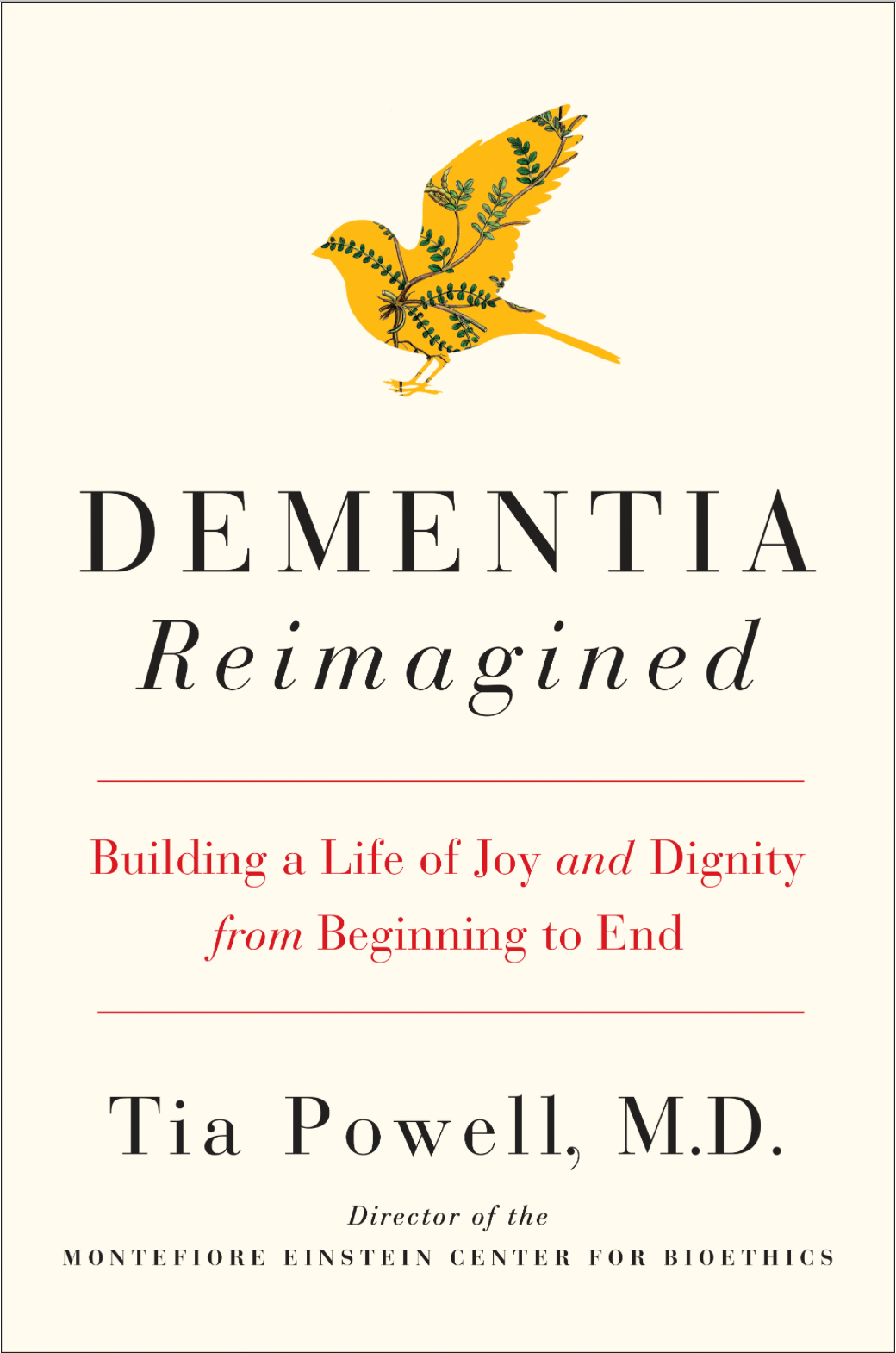
DEMENTIA REIMAGINED
Building a Life of Joy and Dignity from Beginning to End
This is a cultural and medical history of dementia and Alzheimer's disease with surprising answers about the progress we've made, and what we still don't know, by a leading psychiatrist and bioethicist.
Medical school never prepared Tia Powell to address the immense challenges of dementia that she faced as a daughter and granddaughter. But she was far from alone: Just in the US, 10,000 baby boomers turn 65 every day; by the time people reach 85, their chances of having dementia approach 50%.
This book is for all those who face dementia, in themselves or in their families. Powell knows how hard it is to get things right: to plan, to get the right care at the right time, to pay for that care, and to work with doctors and other professionals to find the best treatments and support. In REIMAGINING DEMENTIA, she shares some of what readers can do to make the experience of dementia a little less terrifying, and even a bit more joyful.
Dementia is not only about loss - it is also about preservation: of affection, of dignity, of hope. The reality is, there is no cure, and none likely to arrive anytime soon. Only a tiny percent of drugs successfully complete the research process, either because most don't work or because they have side effects that make their risks greater than the benefits. Instead, our research efforts need to incorporate how to care for those affected, intelligently and compassionately.
Beyond offering advice, Powell reveals the often harrowing cultural history of dementia, from the poorhouse to the asylum to the nursing home, as well as the groundbreaking medical advance that we could have pursued - but didn't - over one hundred years ago. She also offers a contrarian perspective on what has been gained and lost with the bonanza of funding for Alzheimer's disease at the expense of other forms of dementia.
Tia Powell is Director of the Montefiore Einstein Center for Bioethics and of the Einstein Cardozo Master of Science in Bioethics program. She is Professor of Epidemiology, Division of Bioethics, and Psychiatry. She has bioethics expertise in public policy, dementia, consultation, end of life care, decision-making capacity, bioethics education, and the ethics of public health disasters. She served four years as Executive Director of the New York State Task Force on Life and the Law, which functions as New York State's bioethics commission. She has worked with the Institute of Medicine on many projects related to public health and ethics and most recently served on the 2017 report on community approaches to address health inequities. She is a board certified psychiatrist and Fellow of the New York Academy of Medicine, the American Psychiatric Association, and The Hastings Center.
This book is for all those who face dementia, in themselves or in their families. Powell knows how hard it is to get things right: to plan, to get the right care at the right time, to pay for that care, and to work with doctors and other professionals to find the best treatments and support. In REIMAGINING DEMENTIA, she shares some of what readers can do to make the experience of dementia a little less terrifying, and even a bit more joyful.
Dementia is not only about loss - it is also about preservation: of affection, of dignity, of hope. The reality is, there is no cure, and none likely to arrive anytime soon. Only a tiny percent of drugs successfully complete the research process, either because most don't work or because they have side effects that make their risks greater than the benefits. Instead, our research efforts need to incorporate how to care for those affected, intelligently and compassionately.
Beyond offering advice, Powell reveals the often harrowing cultural history of dementia, from the poorhouse to the asylum to the nursing home, as well as the groundbreaking medical advance that we could have pursued - but didn't - over one hundred years ago. She also offers a contrarian perspective on what has been gained and lost with the bonanza of funding for Alzheimer's disease at the expense of other forms of dementia.
Tia Powell is Director of the Montefiore Einstein Center for Bioethics and of the Einstein Cardozo Master of Science in Bioethics program. She is Professor of Epidemiology, Division of Bioethics, and Psychiatry. She has bioethics expertise in public policy, dementia, consultation, end of life care, decision-making capacity, bioethics education, and the ethics of public health disasters. She served four years as Executive Director of the New York State Task Force on Life and the Law, which functions as New York State's bioethics commission. She has worked with the Institute of Medicine on many projects related to public health and ethics and most recently served on the 2017 report on community approaches to address health inequities. She is a board certified psychiatrist and Fellow of the New York Academy of Medicine, the American Psychiatric Association, and The Hastings Center.
| Available products |
|---|
|
Book
Published 2019-04-02 by Avery |
|
Book
Published 2019-04-02 by Avery |