| Vendor | |
|---|---|

|
Mohrbooks Literary Agency
Sebastian Ritscher |
| Original language | |
| English | |
| Categories | |
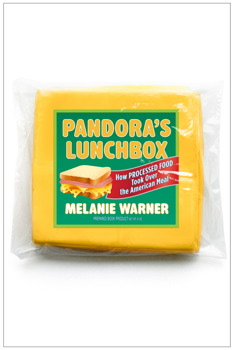
PANDORA'S LUNCHBOX
How Processed Food Took Over the American Meal
This is a fascinating, cutting-edge exploration of the science and history of processed food and shows how technology transformed wholesome meals into an extruded, hydrolyzed, textured, gun-puffed product that doesn't quite resemble food, taking us inside the labs and ultra-modern facilities that churn out the cheapest, most abundant, most addictive, and most nutritionally deficient food in the world.
From breakfast cereal to frozen pizza to nutrition bars, processed foods are a fundamental part of our diet, accounting for 65% of Americans’ yearly calories. Over the past century, technology has transformed the average meal into a chemical-laden smorgasbord of manipulated food products that bear little resemblance to what our grandparents ate.
Despite the growing presence of farmers' markets and organic offerings, food additives and chemical preservatives are nearly impossible to avoid, and even the most ostensibly healthy foods contain multisyllabic ingredients with nearly untraceable origins.
The far-reaching implications of the industrialization of the food supply that privileges cheap, plentiful, and fast food have been well documented. They are dire. But how did we ever reach the point where "pink slime" is an acceptable food product? Is anybody regulating what makes it into our food? What, after all, is actually safe to eat?
Former New York Times health columnist Melanie Warner combines deep investigatory reporting, culinary history, and cultural analysis, to find out how we got here and what it is we're really eating. Vividly written and meticulously researched, PANDORA’S LUNCHBOX blows the lid off the largely undocumented world of processed foods and food manipulation. From the vitamin "enrichments" to our fortified cereals and bread, to the soy mixtures that bolster chicken (and often outweigh the actual chicken included), Warner lays bare the dubious nutritional value and misleading labels of chemically-treated foods, as well as the potential price we--and our children--may pay.
PANDORA’S LUNCHBOX pushes the conversation beyond nutrition to expose the larger systemic food processing practices that impact our diet and overall health and it unearths the truth behind what really goes into our food.
Melanie Warner has spent years researching and writing about the impact of food processing. Her journey began as a mother: she was concerned about feeding her kids the cheese singles that remained more or less intact after languishing in her refrigerator for two years. What are we feeding our kids? Her conclusions will be of immense interest to parents and change the way they think about packing their children's lunchboxes. She reaches startling conclusions about the profound health implications--and lack of regulation behind--the packaged foods we eat on a daily basis.
Warner goes beyond McDonald’s Chicken McNuggets and the food that most readers know is bad for us, and she lays bare the invisible processing that goes into even whole grain cereal and "all-natural" energy bars. She gives readers background on why soy is such a prevalent ingredient in processed foods and discusses some of the frightening health implications of eating as much soy as we do. Anyone who reads this book will look twice at the label and think twice before eating a preservative-laden snack. Melanie Warner is a freelance writer for various publications, including The New York Times, Fast Company and BNET.com. She has spent the past 15 years writing about business. For two years, she was a staff reporter for The New York Times covering the food industry. Before that, she spent seven years as a writer at Fortune magazine, where among other things, she wrote about the dot com boom in Silicon Valley.
Melanie lives in Boulder, CO with her husband Rich Barone and two young boys, Jude and Luke.
Despite the growing presence of farmers' markets and organic offerings, food additives and chemical preservatives are nearly impossible to avoid, and even the most ostensibly healthy foods contain multisyllabic ingredients with nearly untraceable origins.
The far-reaching implications of the industrialization of the food supply that privileges cheap, plentiful, and fast food have been well documented. They are dire. But how did we ever reach the point where "pink slime" is an acceptable food product? Is anybody regulating what makes it into our food? What, after all, is actually safe to eat?
Former New York Times health columnist Melanie Warner combines deep investigatory reporting, culinary history, and cultural analysis, to find out how we got here and what it is we're really eating. Vividly written and meticulously researched, PANDORA’S LUNCHBOX blows the lid off the largely undocumented world of processed foods and food manipulation. From the vitamin "enrichments" to our fortified cereals and bread, to the soy mixtures that bolster chicken (and often outweigh the actual chicken included), Warner lays bare the dubious nutritional value and misleading labels of chemically-treated foods, as well as the potential price we--and our children--may pay.
PANDORA’S LUNCHBOX pushes the conversation beyond nutrition to expose the larger systemic food processing practices that impact our diet and overall health and it unearths the truth behind what really goes into our food.
Melanie Warner has spent years researching and writing about the impact of food processing. Her journey began as a mother: she was concerned about feeding her kids the cheese singles that remained more or less intact after languishing in her refrigerator for two years. What are we feeding our kids? Her conclusions will be of immense interest to parents and change the way they think about packing their children's lunchboxes. She reaches startling conclusions about the profound health implications--and lack of regulation behind--the packaged foods we eat on a daily basis.
Warner goes beyond McDonald’s Chicken McNuggets and the food that most readers know is bad for us, and she lays bare the invisible processing that goes into even whole grain cereal and "all-natural" energy bars. She gives readers background on why soy is such a prevalent ingredient in processed foods and discusses some of the frightening health implications of eating as much soy as we do. Anyone who reads this book will look twice at the label and think twice before eating a preservative-laden snack. Melanie Warner is a freelance writer for various publications, including The New York Times, Fast Company and BNET.com. She has spent the past 15 years writing about business. For two years, she was a staff reporter for The New York Times covering the food industry. Before that, she spent seven years as a writer at Fortune magazine, where among other things, she wrote about the dot com boom in Silicon Valley.
Melanie lives in Boulder, CO with her husband Rich Barone and two young boys, Jude and Luke.
| Available products |
|---|
|
Book
Published 2013-02-26 by Scribner |
|
Book
Published 2013-02-26 by Scribner |