| Vendor | |
|---|---|

|
Liepman Literary Agency
Marc Koralnik |
| Original language | |
| English | |
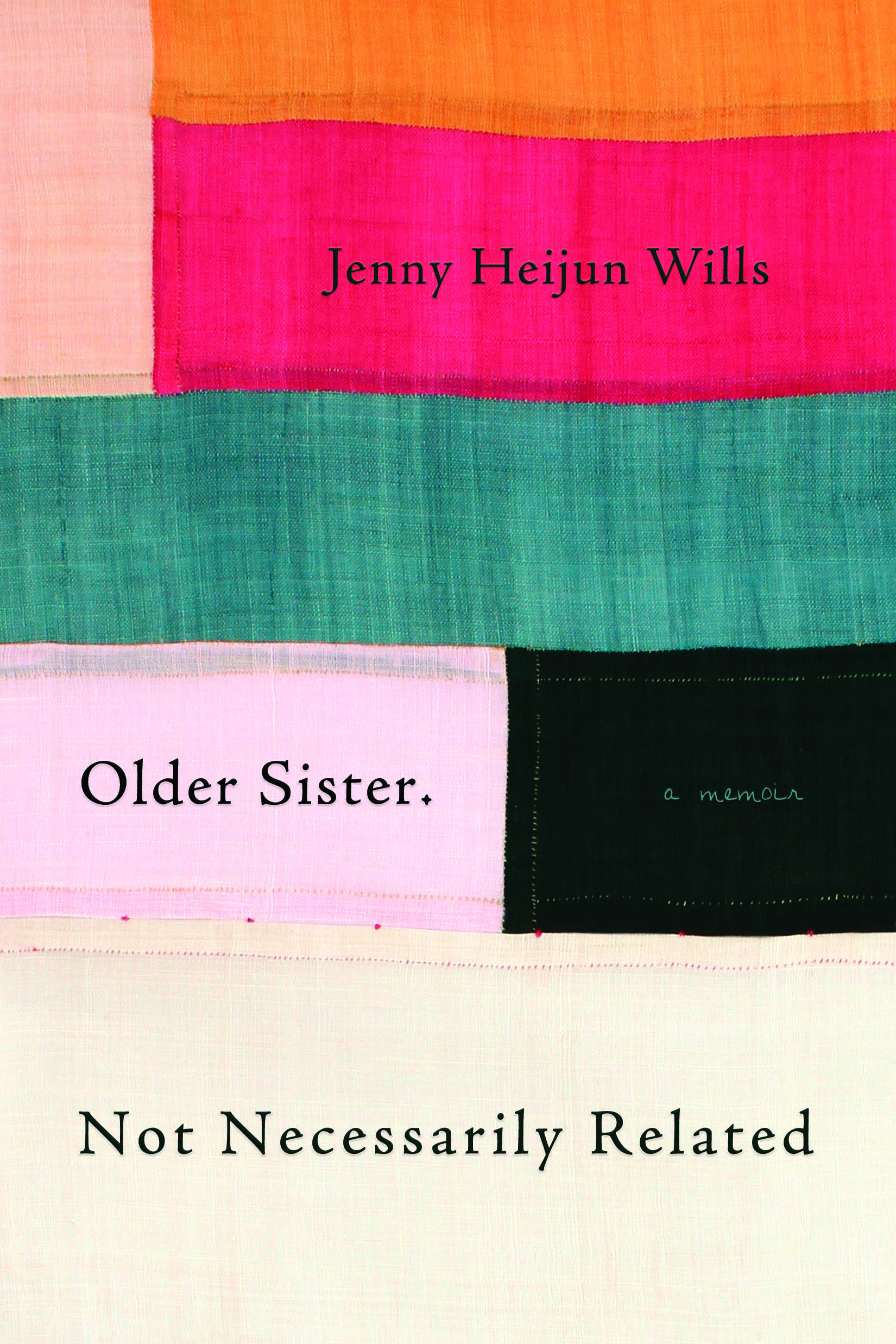
OLDER SISTER. NOT NECESSARILY RELATED
As much for readers interested in adoption stories as it is for those without any previous knowledge of or interest in adoption (transnational or otherwise), this memoir will offer many ways to think about the universal experiences of kindship, loss, and hope.
Delving into gender, class, racial, and ethnic complexities, as well as into the complex relationships between Korean womensisters, mothers and daughters, grandmothers and grandchildren, aunts and niecesOlder Sister. Not Necessarily Related describes in visceral, lyrical prose the painful ripple effects that follow a child's removal from a family, and the rewards that can flow from both struggle and forgiveness.
Jenny Heijun Wills was born in Korea and adopted as an infant into a white family in small-town Canada. In her late twenties, she reconnected with her first family and returned to Seoul where she spent four months getting to know other adoptees, as well as her Korean mother, father, siblings, and extended family. At the guesthouse for transnational adoptees where she lived, alliances were troubled by violence and fraught with the trauma of separation and of cultural illiteracy. Unsurprisingly, heartbreakingly, Wills found that her nascent relationships with her family were similarly fraught.
Ten years later, Wills sustains close ties with her Korean family. Her Korean parents and her younger sister attended her wedding in Montreal, and that same sister now lives in Canada. Remarkably, meeting Jenny caused her birth parents to reunite after having been estranged since her adoption. Little by little, Jenny Heijun Wills is learning and relearning her stories and those of her biological kin, piecing together a fragmented life into something resembling a whole.
Additionally, we expect Older Sister will speak to readers all over the world, including readers from nations with strong histories of sending adoptees to foreign countries, as well as countries where transnational adoption has been or continues to be practiced. The memoir not only addresses the experience of being a transnational adoptee but also some of the complexities of being a transracial adoptee and an adopted person more generally. Those interested in kinship of any and all racial dynamics will also find connection with Older Sister. At most, four percent of Korean adoptees make contact with their first families. Find out more about international adoption of Korean children.
JENNY HEIJUN WILLS was born in Seoul, South Korea, and was adopted and raised in a white family and community in Southern Ontario, Canada. In 2008 she reunited with her family in Asia. She's lived, studied and worked in Toronto, Montreal, Boston, and Seoul. An associate professor of English at University of Winnipeg, she is director of the Critical Race Network, a cross-discipline research collaboration committed to research and teaching about race and ethnicity. She lives in Winnipeg, Manitoba.
Jenny Heijun Wills was born in Korea and adopted as an infant into a white family in small-town Canada. In her late twenties, she reconnected with her first family and returned to Seoul where she spent four months getting to know other adoptees, as well as her Korean mother, father, siblings, and extended family. At the guesthouse for transnational adoptees where she lived, alliances were troubled by violence and fraught with the trauma of separation and of cultural illiteracy. Unsurprisingly, heartbreakingly, Wills found that her nascent relationships with her family were similarly fraught.
Ten years later, Wills sustains close ties with her Korean family. Her Korean parents and her younger sister attended her wedding in Montreal, and that same sister now lives in Canada. Remarkably, meeting Jenny caused her birth parents to reunite after having been estranged since her adoption. Little by little, Jenny Heijun Wills is learning and relearning her stories and those of her biological kin, piecing together a fragmented life into something resembling a whole.
Additionally, we expect Older Sister will speak to readers all over the world, including readers from nations with strong histories of sending adoptees to foreign countries, as well as countries where transnational adoption has been or continues to be practiced. The memoir not only addresses the experience of being a transnational adoptee but also some of the complexities of being a transracial adoptee and an adopted person more generally. Those interested in kinship of any and all racial dynamics will also find connection with Older Sister. At most, four percent of Korean adoptees make contact with their first families. Find out more about international adoption of Korean children.
JENNY HEIJUN WILLS was born in Seoul, South Korea, and was adopted and raised in a white family and community in Southern Ontario, Canada. In 2008 she reunited with her family in Asia. She's lived, studied and worked in Toronto, Montreal, Boston, and Seoul. An associate professor of English at University of Winnipeg, she is director of the Critical Race Network, a cross-discipline research collaboration committed to research and teaching about race and ethnicity. She lives in Winnipeg, Manitoba.
| Available products |
|---|
|
Book
Published 2019-09-17 by McClelland & Stewart |