| Vendor | |
|---|---|

|
Liepman Literary Agency
Marc Koralnik |
| Original language | |
| English | |
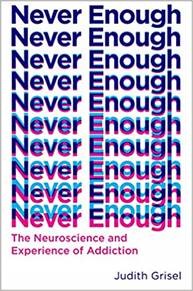
NEVER ENOUGH
The Neuroscience and Experience of Addiction
Why does one person becomes a drug addict and not another? This is the central question that has motivated Dr. Judith Grisel for the more than two decades of research she has done into the neurobiology of addiction. Decades later, she and her colleagues are still working to answer this question, and the fruits of that quest can be read in NEVER ENOUGH: THE NEUROSCIENCE AND EXPERIENCE OF ADDICTION.
Once a hopeless addict herself - homeless, disowned and kicked out of three colleges - Dr. Grisel eventually got sober, went back to school and today is an internationally recognized professor and neurobiologist, specializing in addiction research. You can see why this question was of more than just academic interest to her.
NEVER ENOUGH interweaves the author's own remarkable story and insights with the very latest on addiction research and brain function. By translating cutting-edge scientific knowledge into everyday language, readers of NEVER ENOUGH will understand what is different about the brains of addicts even before they pick up their first drink or drug, the ways that addictive substances commandeer normal brain function, and the changes that take place in the brain and behavior as a result of chronic using that make recovery so unlikely. They will also learn about surprising hidden gifts of addiction, for individual addicts as well as society in general.
Translating complex concepts into laymen's terms, the book is enlivened with the author's mordant wit and brutal honesty about her own circumstances.
While not a recovery book, with the epidemic abuse of drugs today - more than one in five people over the age of fourteen is now addicted - she does point towards more effective types of treatment, and comes down heavily on the issues of drug legalization and national policy.
JUDY GRISEL is an internationally recognized expert on the neurobiology of addiction. She is Professor of Psychology at Bucknell University.
NEVER ENOUGH interweaves the author's own remarkable story and insights with the very latest on addiction research and brain function. By translating cutting-edge scientific knowledge into everyday language, readers of NEVER ENOUGH will understand what is different about the brains of addicts even before they pick up their first drink or drug, the ways that addictive substances commandeer normal brain function, and the changes that take place in the brain and behavior as a result of chronic using that make recovery so unlikely. They will also learn about surprising hidden gifts of addiction, for individual addicts as well as society in general.
Translating complex concepts into laymen's terms, the book is enlivened with the author's mordant wit and brutal honesty about her own circumstances.
While not a recovery book, with the epidemic abuse of drugs today - more than one in five people over the age of fourteen is now addicted - she does point towards more effective types of treatment, and comes down heavily on the issues of drug legalization and national policy.
JUDY GRISEL is an internationally recognized expert on the neurobiology of addiction. She is Professor of Psychology at Bucknell University.
| Available products |
|---|
|
Book
Published 2019-02-01 by Doubleday |