| Vendor | |
|---|---|

|
Fritz Agency
Christian Dittus |
| Original language | |
| English | |
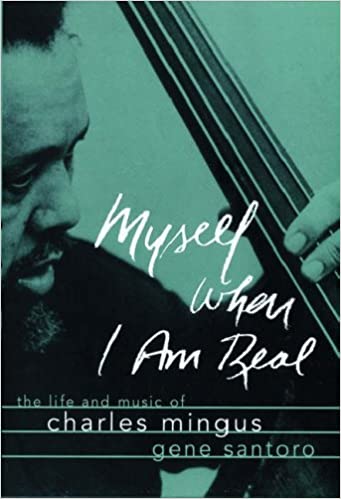
MYSELF WHEN I AM REAL
The Life and Times of Charles Mingus,
Acclaimed music critic Gene Santoro strips away the myths shrouding "Jazz's Angry Man," revealing Mingus as more complex than even his lovers and close friends knew.
In this biography, Santoro probes the sore spots in Mingus's easily wounded nature that helped make him so explosive: his bullying father, his interracial background, his vulnerability to women and distrust of men, his views of political and social issues, his overwhelming need for love and acceptance. Of black, white, and Asian descent, Mingus made race a central issue in his life as well as a crucial aspect of his music, becoming an outspoken (and often misunderstood) critic of racial injustice.
Santoro gives us a vivid portrait of Mingus's development, from the racially mixed Watts where he mingled with artists and writers as well as mobsters, union toughs, and pimps to the artistic ferment of postwar Greenwich Village, where he absorbed and extended the radical improvisation flowing through the work of Allen Ginsberg, Jackson Pollock, and Charlie Parker. Indeed, unlike Most jazz biographers, Santoro examines Mingus's extra-musical influences--from Orson Welles to Langston Hughes, Farwell Taylor, and Timothy Leary--and illuminates his achievement in the broader cultural context it demands.
Written in a lively, novelistic style, Myself When I Am Real draws on dozens of new interviews and previously untapped letters and archival materials to explore the intricate connections between this extraordinary man and the extraordinary music he made.
In this biography, Santoro probes the sore spots in Mingus's easily wounded nature that helped make him so explosive: his bullying father, his interracial background, his vulnerability to women and distrust of men, his views of political and social issues, his overwhelming need for love and acceptance. Of black, white, and Asian descent, Mingus made race a central issue in his life as well as a crucial aspect of his music, becoming an outspoken (and often misunderstood) critic of racial injustice.
Santoro gives us a vivid portrait of Mingus's development, from the racially mixed Watts where he mingled with artists and writers as well as mobsters, union toughs, and pimps to the artistic ferment of postwar Greenwich Village, where he absorbed and extended the radical improvisation flowing through the work of Allen Ginsberg, Jackson Pollock, and Charlie Parker. Indeed, unlike Most jazz biographers, Santoro examines Mingus's extra-musical influences--from Orson Welles to Langston Hughes, Farwell Taylor, and Timothy Leary--and illuminates his achievement in the broader cultural context it demands.
Written in a lively, novelistic style, Myself When I Am Real draws on dozens of new interviews and previously untapped letters and archival materials to explore the intricate connections between this extraordinary man and the extraordinary music he made.
| Available products |
|---|
|
Book
Published 2023-05-10 by Oxford University Press |