| Vendor | |
|---|---|

|
Mohrbooks Literary Agency
Sebastian Ritscher |
| Original language | |
| English | |
| Categories | |
| Weblink | |
| http://www.suzannepaola.com/ | |
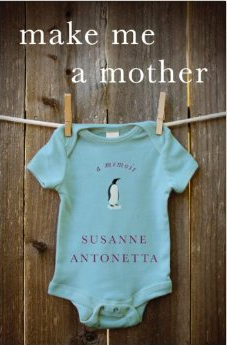
MAKE ME A MOTHER
A gorgeous memoir that explores the bonds of family.
In MAKE ME A MOTHER, acclaimed memoirist Susanne Antonetta adopts an infant from Seoul, South Korea.
After meeting their six-month-old son, Jin, at the airport—an incident made memorable when Susanne, so eager to meet her son, is chased down by security—Susanne and her husband learn lessons common to all parents, such as the lack of sleep and the worry and joy of loving a child.They also learn lessons particular to their own family: not just how another being can take over your life but how to let an entire culture in, how to discuss birth parents who gave up a child, and the tricky steps required tonavigate race in America. In the end, her relationship with her son teaches Susanne to understand her own troubled childhood and to forgive and care for her own aging parents. Susanne comes to realize how, time and time again, all families have to learn to adopt one another.
After meeting their six-month-old son, Jin, at the airport—an incident made memorable when Susanne, so eager to meet her son, is chased down by security—Susanne and her husband learn lessons common to all parents, such as the lack of sleep and the worry and joy of loving a child.They also learn lessons particular to their own family: not just how another being can take over your life but how to let an entire culture in, how to discuss birth parents who gave up a child, and the tricky steps required tonavigate race in America. In the end, her relationship with her son teaches Susanne to understand her own troubled childhood and to forgive and care for her own aging parents. Susanne comes to realize how, time and time again, all families have to learn to adopt one another.
| Available products |
|---|
|
Book
Published 2014-02-01 by W.W. Norton |
|
Book
Published 2014-02-01 by W.W. Norton |