| Vendor | |
|---|---|

|
Fritz Agency
Christian Dittus |
| Original language | |
| English | |
IN THE SHADOW OF JUSTICE
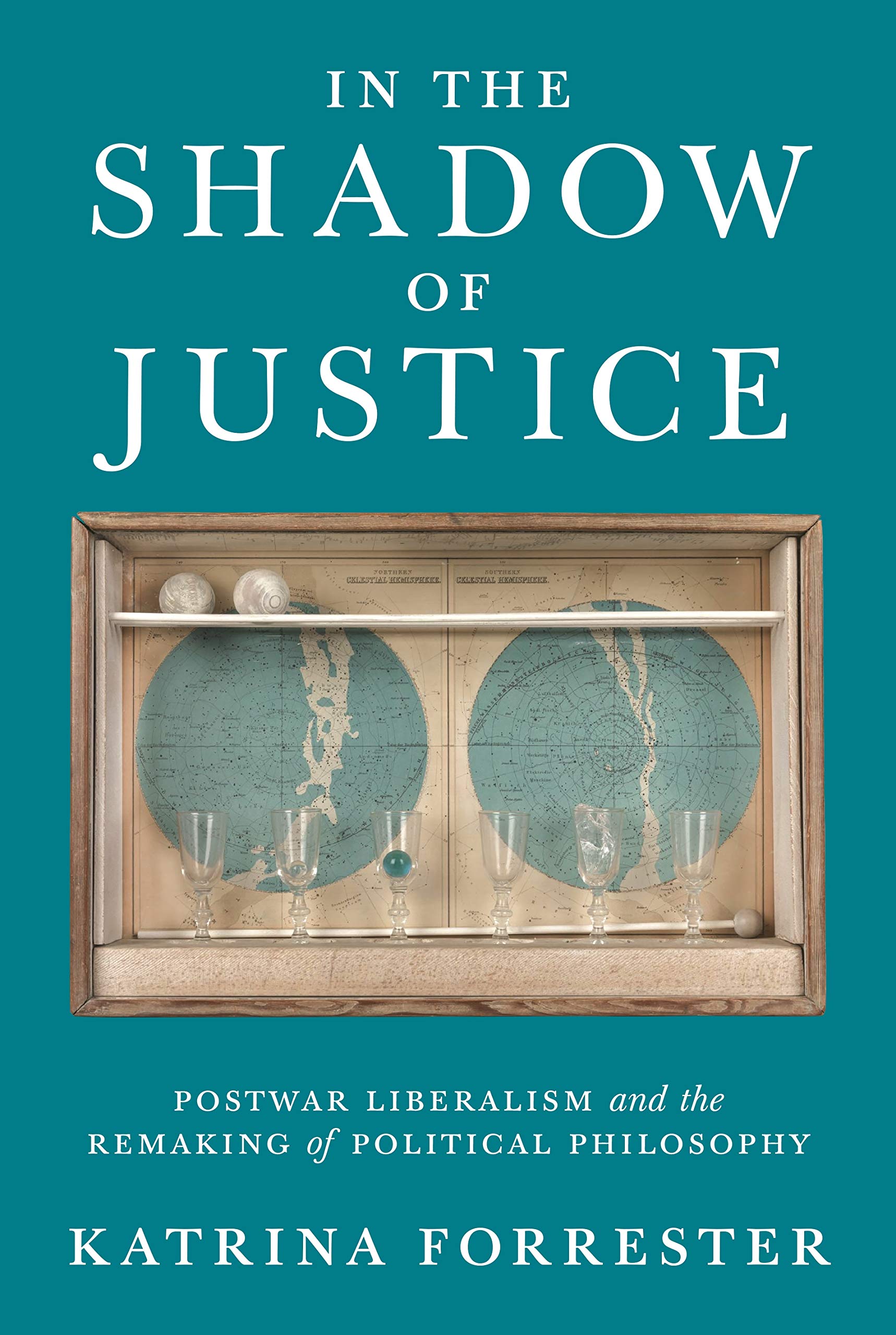
Postwar Liberalism and the Remaking of Political Philosophy
A history of how political philosophy was recast by the rise of postwar liberalism and irrevocably changed by John Rawls's A Theory of Justice
In the Shadow of Justice tells the story of how liberal political philosophy was transformed in the second half of the twentieth century under the influence of John Rawls. In this first-ever history of contemporary liberal theory, Katrina Forrester shows how liberal egalitarianisma set of ideas about justice, equality, obligation, and the statebecame dominant, and traces its emergence from the political and ideological context of the postwar United States and Britain.
In the aftermath of the civil rights movement and the Vietnam War, Rawls's A Theory of Justice made a particular kind of liberalism essential to political philosophy. Using archival sources, Forrester explores the ascent and legacy of this form of liberalism by examining its origins in midcentury debates among American antistatists and British egalitarians. She traces the roots of contemporary theories of justice and inequality, civil disobedience, just war, global and intergenerational justice, and population ethics in the 1960s and '70s and beyond. In these years, political philosophers extended, developed, and reshaped this liberalism as they responded to challenges and alternatives on the left and rightfrom the New International Economic Order to the rise of the New Right. These thinkers remade political philosophy in ways that influenced not only their own trajectory but also that of their critics.
Recasting the history of late twentieth-century political thought and providing novel interpretations and fresh perspectives on major political philosophers, In the Shadow of Justice offers a rigorous look at liberalism's ambitions and limits.
Katrina Forrester is assistant professor of government and social studies at Harvard University. She is the coeditor of Nature, Action, and the Future. Her writing has appeared in the New Yorker, the London Review of Books, the Nation, the Guardian, Dissent, the New Statesman, n+1, and Harper's.
In the Shadow of Justice tells the story of how liberal political philosophy was transformed in the second half of the twentieth century under the influence of John Rawls. In this first-ever history of contemporary liberal theory, Katrina Forrester shows how liberal egalitarianisma set of ideas about justice, equality, obligation, and the statebecame dominant, and traces its emergence from the political and ideological context of the postwar United States and Britain.
In the aftermath of the civil rights movement and the Vietnam War, Rawls's A Theory of Justice made a particular kind of liberalism essential to political philosophy. Using archival sources, Forrester explores the ascent and legacy of this form of liberalism by examining its origins in midcentury debates among American antistatists and British egalitarians. She traces the roots of contemporary theories of justice and inequality, civil disobedience, just war, global and intergenerational justice, and population ethics in the 1960s and '70s and beyond. In these years, political philosophers extended, developed, and reshaped this liberalism as they responded to challenges and alternatives on the left and rightfrom the New International Economic Order to the rise of the New Right. These thinkers remade political philosophy in ways that influenced not only their own trajectory but also that of their critics.
Recasting the history of late twentieth-century political thought and providing novel interpretations and fresh perspectives on major political philosophers, In the Shadow of Justice offers a rigorous look at liberalism's ambitions and limits.
Katrina Forrester is assistant professor of government and social studies at Harvard University. She is the coeditor of Nature, Action, and the Future. Her writing has appeared in the New Yorker, the London Review of Books, the Nation, the Guardian, Dissent, the New Statesman, n+1, and Harper's.
| Available products |
|---|
|
Book
Published 2019-09-01 by Princeton University Press |