| Vendor | |
|---|---|

|
Fritz Agency
Christian Dittus |
| Original language | |
| English | |
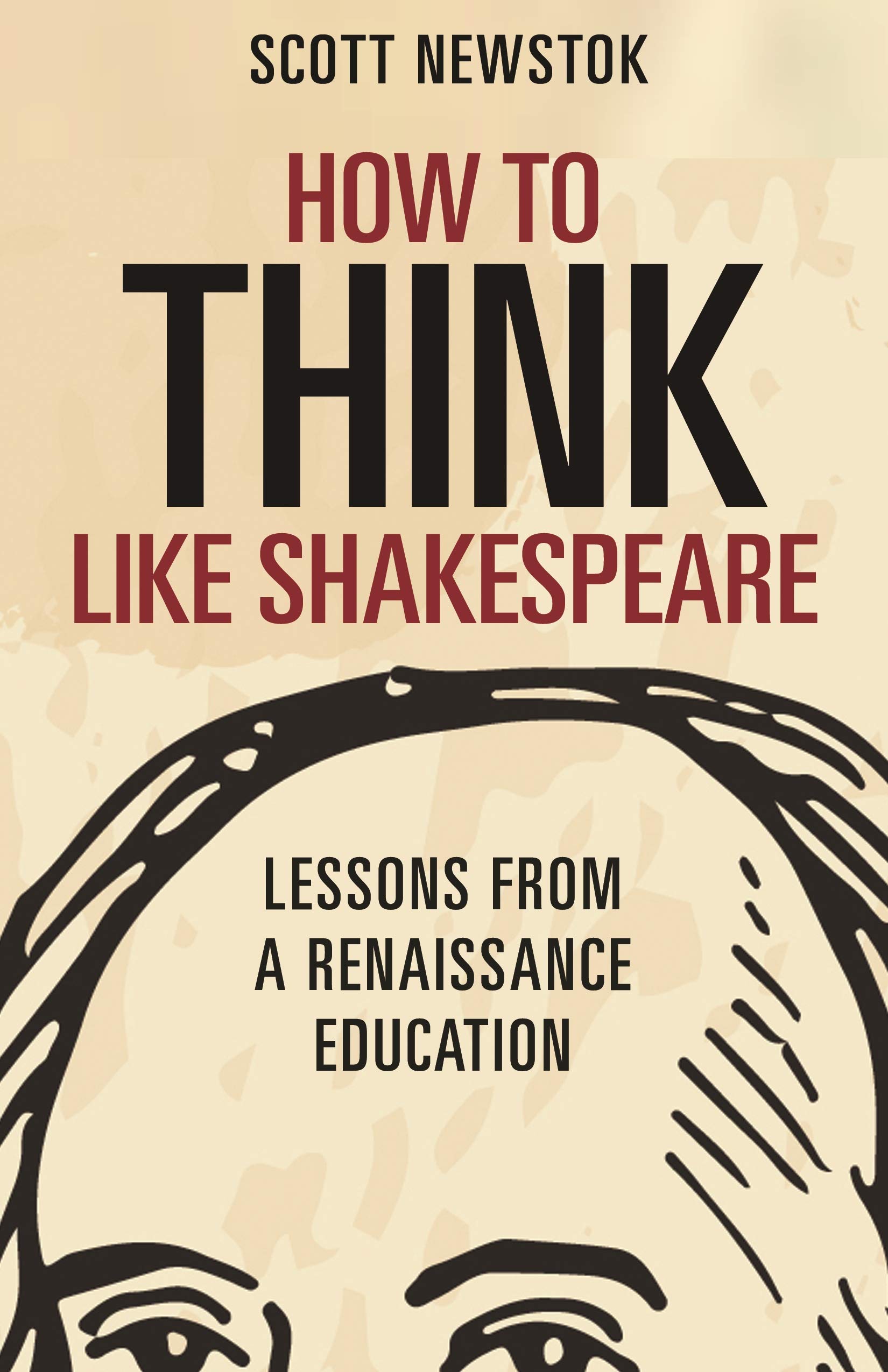
HOW TO THINK LIKE SHAKESPEARE
Lessons from a Renaissance Education
A lively and engaging guide to vital habits of mind that can help you think more deeply, write more effectively, and learn more joyfully
How to Think like Shakespeare offers an enlightening and entertaining guide to the craft of thoughtone that demonstrates what we've lost in education today, and how we might begin to recover it. In fourteen brief, lively chapters that draw from Shakespeare's world and works, and from other writers past and present, Scott Newstok distills vital habits of mind that can help you think more deeply, write more effectively, and learn more joyfully, in school or beyond.
Challenging a host of today's questionable notions about education, Newstok shows how mental play emerges through work, creativity through imitation, autonomy through tradition, innovation through constraint, and freedom through discipline. It was these practices, and a conversation with the pastnot a fruitless obsession with assessmentthat nurtured a mind like Shakespeare's. And while few of us can hope to approach the genius of the Bard, we can all learn from the exercises that shaped him.
Written in a friendly, conversational tone and brimming with insights, How to Think like Shakespeare enacts the thrill of thinking on every page, reviving timelessand timelyways to stretch your mind and hone your words.
Scott Newstok is professor of English and founding director of the Pearce Shakespeare Endowment at Rhodes College.
How to Think like Shakespeare offers an enlightening and entertaining guide to the craft of thoughtone that demonstrates what we've lost in education today, and how we might begin to recover it. In fourteen brief, lively chapters that draw from Shakespeare's world and works, and from other writers past and present, Scott Newstok distills vital habits of mind that can help you think more deeply, write more effectively, and learn more joyfully, in school or beyond.
Challenging a host of today's questionable notions about education, Newstok shows how mental play emerges through work, creativity through imitation, autonomy through tradition, innovation through constraint, and freedom through discipline. It was these practices, and a conversation with the pastnot a fruitless obsession with assessmentthat nurtured a mind like Shakespeare's. And while few of us can hope to approach the genius of the Bard, we can all learn from the exercises that shaped him.
Written in a friendly, conversational tone and brimming with insights, How to Think like Shakespeare enacts the thrill of thinking on every page, reviving timelessand timelyways to stretch your mind and hone your words.
Scott Newstok is professor of English and founding director of the Pearce Shakespeare Endowment at Rhodes College.
| Available products |
|---|
|
Book
Published 2020-04-01 by Princeton University Press |