| Vendor | |
|---|---|

|
Mohrbooks Literary Agency
Sebastian Ritscher |
| Original language | |
| English | |
| Categories | |
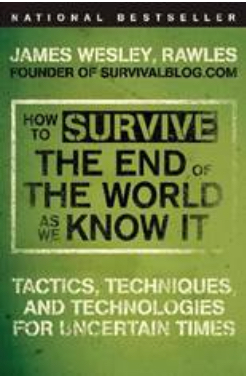
HOW TO SURVIVE THE END OF THE WORLD AS WE KNOW IT
Tactics, Techniques, and Technologies for Uncertain Times
With over 260,000 copies sold in the US alone, this is the ultimate guide to learn how to prepare for disaster, including how to stock your shelves, secure your home, and more.
Disruptive elections. A pandemic. Global financial collapse. A terrorist attack. A natural catastrophe. As we know, all it takes is one event to disrupt our way of life. We could find ourselves facing myriad serious problems from massive unemployment to a food shortage to an infrastructure failure that cuts off our power or water supply. If something terrible happens, we won't be able to rely on the government or our communities. We'll have to take care of ourselves.
In HOW TO SURVIVE THE END OF THE WORLD AS WE KNOW IT, James Wesley, Rawles, founder of SurvivalBlog.com, clearly explains everything you need to know to protect yourself and your family in the event of a disasterfrom radical currency devaluation to a nuclear threat to a hurricane. Rawles shares essential tactics and techniques for surviving completely on your own, including how much food is enough, how to filter rainwater, how to protect your money, which seeds to buy for your garden, why goats are a smart choice for livestock, and how to secure your home.
James Wesley, Rawles is the founder of SurvivalBlog.com. A former U.S. Army Intelligence officer and technical writer, he is the author of the novel Patriots.
In HOW TO SURVIVE THE END OF THE WORLD AS WE KNOW IT, James Wesley, Rawles, founder of SurvivalBlog.com, clearly explains everything you need to know to protect yourself and your family in the event of a disasterfrom radical currency devaluation to a nuclear threat to a hurricane. Rawles shares essential tactics and techniques for surviving completely on your own, including how much food is enough, how to filter rainwater, how to protect your money, which seeds to buy for your garden, why goats are a smart choice for livestock, and how to secure your home.
James Wesley, Rawles is the founder of SurvivalBlog.com. A former U.S. Army Intelligence officer and technical writer, he is the author of the novel Patriots.
| Available products |
|---|
|
Book
Published 2009-10-01 by Plume |
|
Book
Published 2009-10-01 by Plume |