| Vendor | |
|---|---|

|
Mohrbooks Literary Agency
Sebastian Ritscher |
| Original language | |
| English | |
| Categories | |
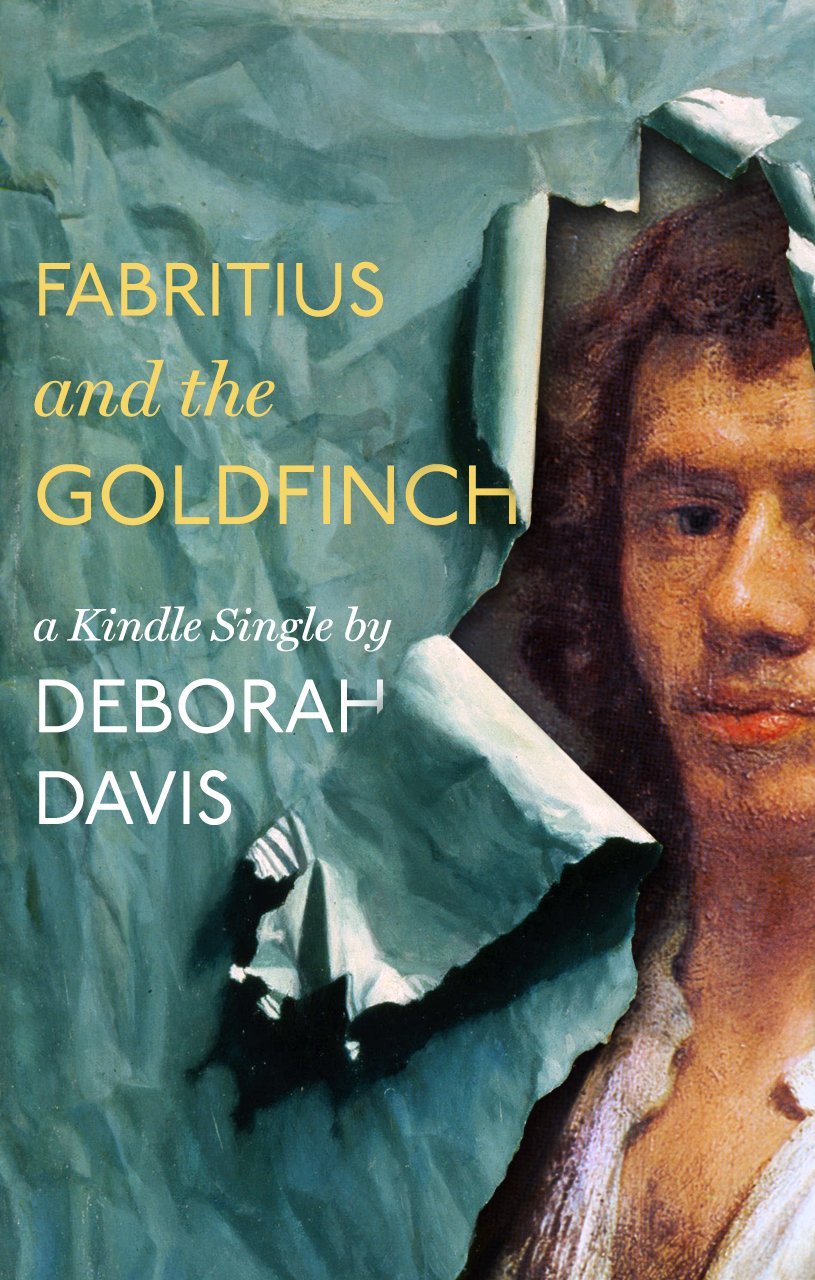
FABRITIUS AND THE GOLDFINCH
A True Story of Art, Tragedy, and Immortality
The Book tells the story of the Dutch painter Fabritius and his remarkable painting The Goldfinch, which is at the center of Donna Tart's bestselling novel THE GOLDFINCH.
This is a behind-the-canvas portrait of the artist, his world, and his legacy. In the case of Fabritius and “The Goldfinch,” the true story stands on its own, inviting readers into a rich and beguiling world that presents diverse – and incredibly provocative -- opportunities for research.
Was the Dutch Republic as rich, as risk-taking (and as decadent) as history suggests? These were, after all, the same people who gambled on tulips. What did it really mean to be an apprentice to a great artist? Was it like being an intern today? It has been said that Fabritius was an important link between Rembrandt and Vermeer -- according to a poem that served as Fabritius’ eulogy, Vermeer “arose out of his fire.”
And what about the actual goldfinch? The bird was extremely popular in Holland at the time. Was it a plaything of the rich, robbed of its freedom? Or, as some studies suggest, a creature that preferred captivity to life in the real world, where it would be subject to the vicissitudes of fortune.
Deborah Davis is the author of six narrative non-fiction books, including The Oprah Winfrey Show: Reflections on an American Legacy, the authorized history of twenty-five years of the landmark television show and its legendary host (Abrams, 2011) Strapless: John Singer Sargent and the Fall of Madame X (Tarcher/Putnam, 2003), the story behind the legendary John Singer Sargent painting that propelled the artist to international renown but condemned his subject to a life of public ridicule; Party of the Century: The Fabulous Story of Truman Capote and His Black and White Ball (Wiley, 2006), which transports readers to the Oz-like splendor of New York in 1966, where Capote, at the pinnacle of his fame, threw himself the party to end all parties. She has also written for the New York Times, the Washington Post, the Magazine Antiques, and Art and Antiques.
Was the Dutch Republic as rich, as risk-taking (and as decadent) as history suggests? These were, after all, the same people who gambled on tulips. What did it really mean to be an apprentice to a great artist? Was it like being an intern today? It has been said that Fabritius was an important link between Rembrandt and Vermeer -- according to a poem that served as Fabritius’ eulogy, Vermeer “arose out of his fire.”
And what about the actual goldfinch? The bird was extremely popular in Holland at the time. Was it a plaything of the rich, robbed of its freedom? Or, as some studies suggest, a creature that preferred captivity to life in the real world, where it would be subject to the vicissitudes of fortune.
Deborah Davis is the author of six narrative non-fiction books, including The Oprah Winfrey Show: Reflections on an American Legacy, the authorized history of twenty-five years of the landmark television show and its legendary host (Abrams, 2011) Strapless: John Singer Sargent and the Fall of Madame X (Tarcher/Putnam, 2003), the story behind the legendary John Singer Sargent painting that propelled the artist to international renown but condemned his subject to a life of public ridicule; Party of the Century: The Fabulous Story of Truman Capote and His Black and White Ball (Wiley, 2006), which transports readers to the Oz-like splendor of New York in 1966, where Capote, at the pinnacle of his fame, threw himself the party to end all parties. She has also written for the New York Times, the Washington Post, the Magazine Antiques, and Art and Antiques.
| Available products |
|---|
|
Book
Published 2014-07-01 by Amazon |
|
Book
Published 2014-07-01 by Amazon |