| Vendor | |
|---|---|

|
Fritz Agency
Christian Dittus |
| Original language | |
| English | |
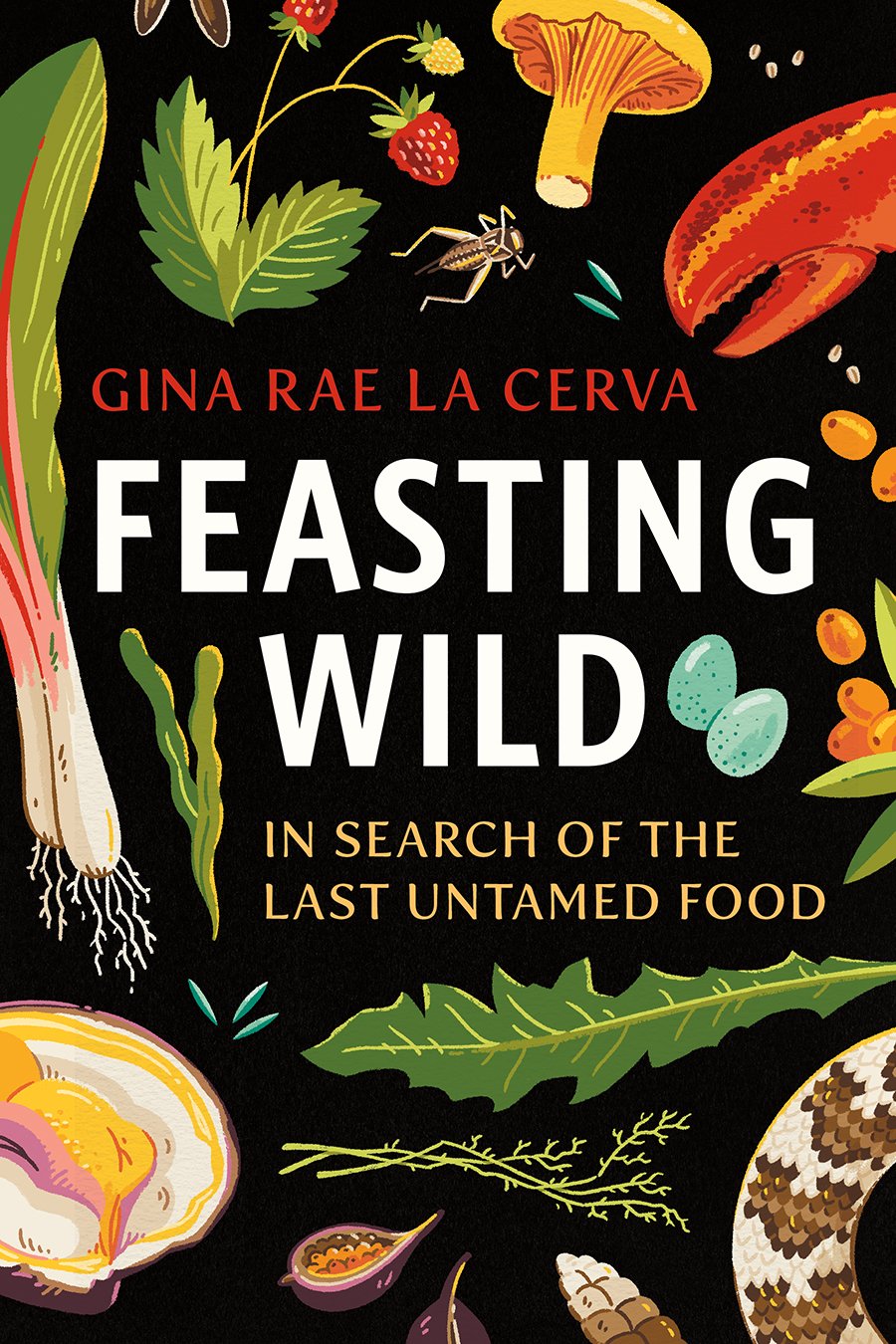
FEASTING WILD
In Search of the Last Untamed Food
A writer and anthropologist searches for wild foods -- and reveals what we lose in a world where wildness itself is misunderstood, commodified, and hotly pursued.
Two centuries ago, nearly half the North American diet was found in the wild. Today, so-called "wild foods" are becoming expensive commodities, served to the wealthy in top restaurants. In Feasting Wild, geographer and anthropologist Gina Rae La Cerva traces our relationship to wild foods and shows what we sacrifice when we domesticate them? including biodiversity, Indigenous knowledge, and an important connection to nature.
Along the way, she samples wild foods herself, sipping elusive bird's nest soup in Borneo and smuggling Swedish moose meat home in her suitcase. Thoughtful, ambitious, and wide-ranging, Feasting Wild challenges us to take a closer look at the way we eat today.
Gina Rae La Cerva is a geographer, environmental anthropologist, and award-winning writer who has traveled extensively to research a variety of environmental and food-related topics. A National Science Foundation Graduate Fellow, La Cerva holds a Master of Environmental Science from Yale University's School of Forestry and Environmental Studies and a Master of Philosophy from the University of Cambridge.
Two centuries ago, nearly half the North American diet was found in the wild. Today, so-called "wild foods" are becoming expensive commodities, served to the wealthy in top restaurants. In Feasting Wild, geographer and anthropologist Gina Rae La Cerva traces our relationship to wild foods and shows what we sacrifice when we domesticate them? including biodiversity, Indigenous knowledge, and an important connection to nature.
Along the way, she samples wild foods herself, sipping elusive bird's nest soup in Borneo and smuggling Swedish moose meat home in her suitcase. Thoughtful, ambitious, and wide-ranging, Feasting Wild challenges us to take a closer look at the way we eat today.
Gina Rae La Cerva is a geographer, environmental anthropologist, and award-winning writer who has traveled extensively to research a variety of environmental and food-related topics. A National Science Foundation Graduate Fellow, La Cerva holds a Master of Environmental Science from Yale University's School of Forestry and Environmental Studies and a Master of Philosophy from the University of Cambridge.
| Available products |
|---|
|
Book
Published 2020-05-01 by Greystone Books |